


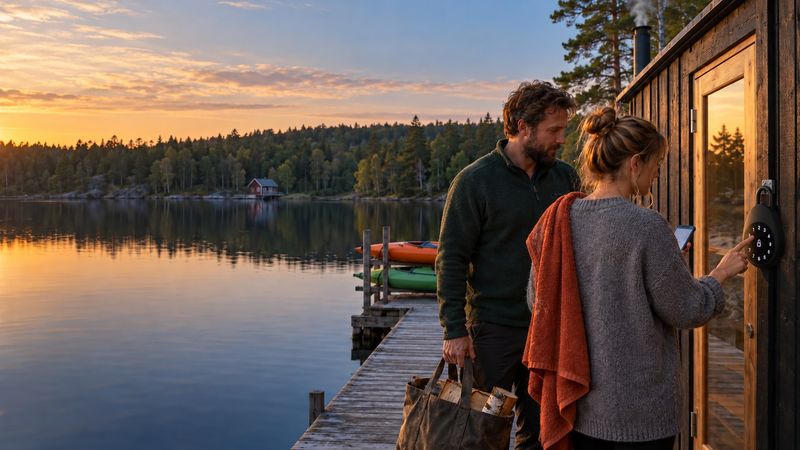
Booking system for self-service rentals
Your customers book and pay online, then open your code lock with their own PIN code, which works only for their booking. So you can rent out around the clock – and be somewhere else.
For saunas, kayaks, canoes, paddleboards (SUPs), boats, trailers, bikes, ski gear, padel courts and meeting rooms – rent them out, offer them to guests at your campsite, glamping site or hotel, or lend them for free.
- 30 days free – up to 180 days if your rental opens later
- No credit card
- Setup help included
- From 299 SEK (about €27) a month excl. VAT
- No commission, cancel any time
Igloohome, the company that makes the locks, has written case studies about rentals run with Rentalbuddy: floating saunas, SUP kiosks and a ski rack – read them
Self-service and unmanned rental
Stop planning your days around key hand-overs
When every rental means meeting the customer, handing over a key and taking payment, you can only rent out when you can be there. Rentalbuddy does all of that for you: the booking, the payment and the code that opens your lock. It's a booking system built for self-service and unmanned rentals. It works with Igloohome's code padlocks and key boxes (a key box is a small code-locked safe that holds the key to a sauna, boat or room). You buy the locks once from Igloohome or a reseller – we make the software, not the locks. They run on batteries, so you need no Wi-Fi or power on site. How can a lock with no internet know a new code?
-
Have staff and a counter today?
Keep them for your opening hours, and let self-service take the early mornings, late evenings and days you're closed – or go fully unmanned when you're ready. Regulars can still phone or pay cash at the counter, and those bookings land in the same calendar as your online ones. Strandstuviken's seaside campsite runs its sauna this way – booked, paid and opened with a code, while from April to August the staff still heat it for guests who phone ahead.
-
Already take bookings online?
But still hand over keys, send codes yourself or give every renter the same code? That's the part Rentalbuddy takes over – a new code for every booking, made automatically.
-
Starting from scratch, maybe next to a day job?
You need no shop, no staff and no website – just something people pay to use, such as a sauna or a few SUPs in a box at a beach, a place you're allowed to keep it, a code lock per item or door, and a free Stripe account to take payments. Bastuflotten Mariestad went from a sketch to a floating sauna that opens every day with nobody on site. Still building yours? Your free trial runs until your launch date, up to 180 days.
Store, marina, campsite, hotel, padel court, club, ski slope, municipality or sauna builder? See how it works for you
It also works where renting out is only part of the job:
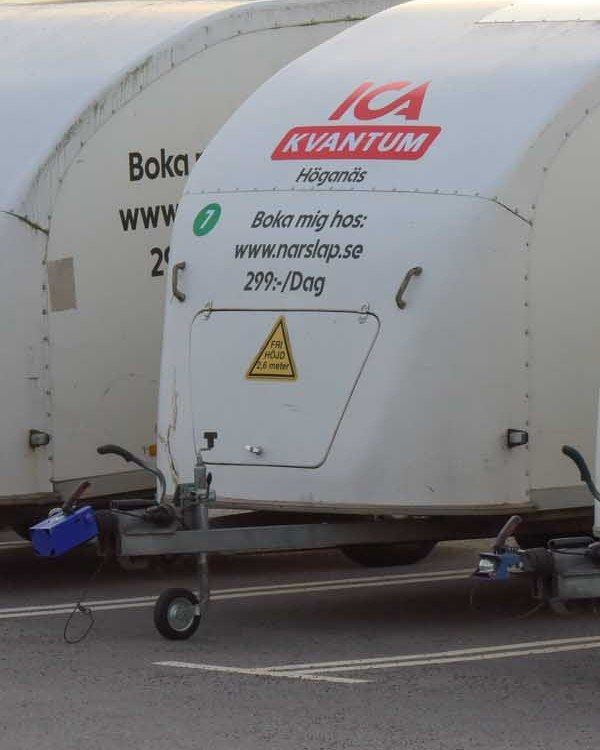
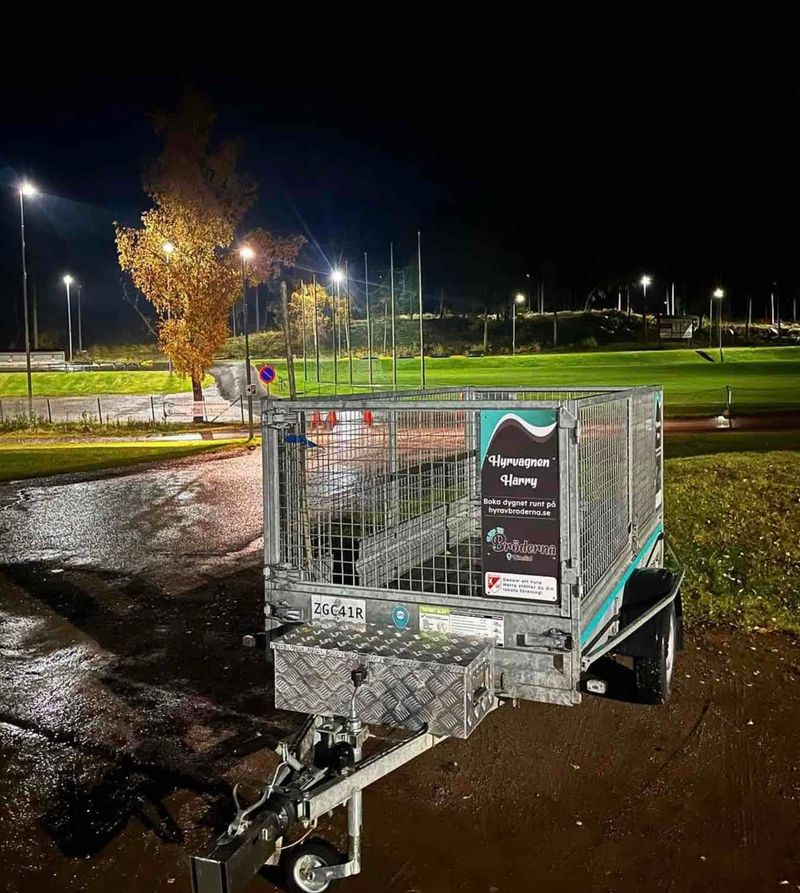
- Stores and petrol stations: customers pick up a trailer at any hour and bring it back to your car park, so every renter visits your store twice and no keys go over the counter – like Närsläp's trailers at ICA Kvantum in Höganäs. Rent them out, or lend them free to customers who shop with you, with a discount code from the till. What changes for your staff · See what 3 trailers could bring in
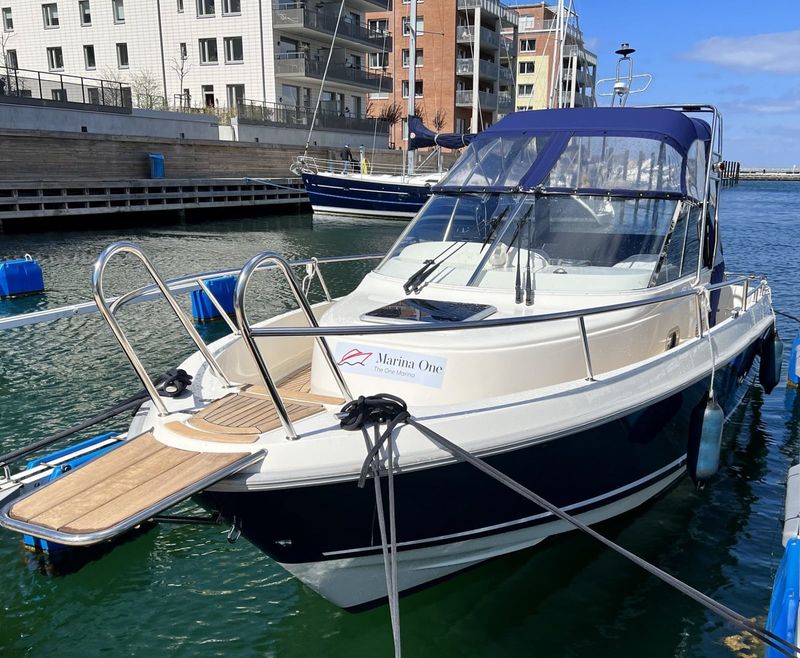
- Marinas, guest harbours and boat clubs: members and guests book a motorboat or rowing boat, and their own code opens the boat's key box or the padlock on its chain – like MarinaOne's members at several harbours. Visiting boaters book the harbour sauna, bikes or laundry room the same way, even after the harbour office has closed. Your system for berths and harbour fees stays as it is. How boat rental works · What could 4 boats and a life-jacket locker bring in?
- Padel and tennis courts, club houses and meeting rooms: let them out by the hour – a code padlock on the court gate, or the room key in a key box by the door – so nobody has to drive down with a key. Players who just turn up scan the QR code on the gate and book the next free time, and a club can let members play for free and charge everyone else. Igloohome, the lock maker, lists Rentalbuddy among the booking systems that work with its locks on unmanned tennis, padel and football courts. Courts and rooms – and what to check first · What could 2 courts bring in?
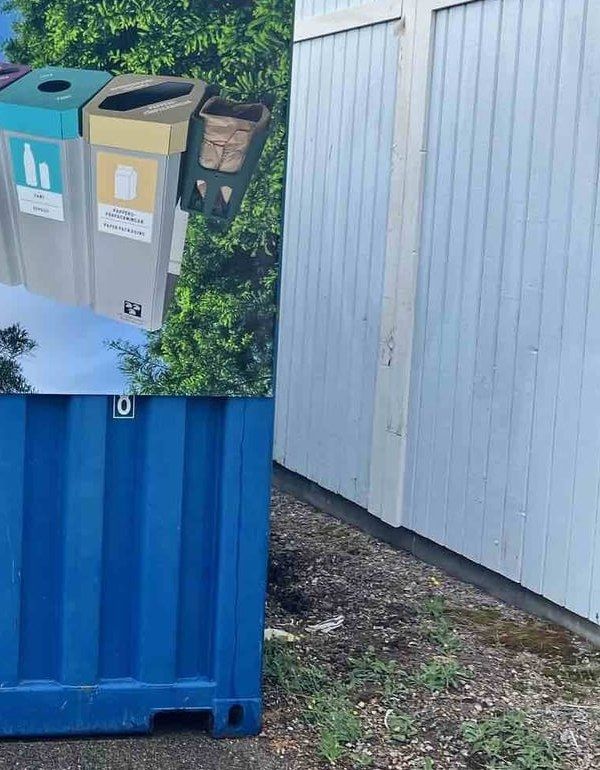
- Municipalities, associations and sports clubs: lend out event kits, sports gear or cargo bikes – free for everyone, for a fee, or free for the members you add and paid for everyone else. In Hudiksvall, event organisers book the municipality's recycling bins online and collect them from a container with their own code. Lending for free – and what a year costs
- Campsites, glamping sites and hotels: guests book and pay for the sauna, kayaks and bikes before they arrive or on the spot. Their own code opens the lock, so nobody fetches a key from reception or waits for the rental hut to open – and the sauna keeps earning after reception has closed for the night. Day visitors can book too, without a stay. At Strandstuvikens Havsbad & Camping, guests book the all-year seaside sauna straight from the campsite's website. Your own system for pitches, cabins and rooms stays as it is. How it works · See what a sauna, 4 kayaks and 6 bikes could bring in
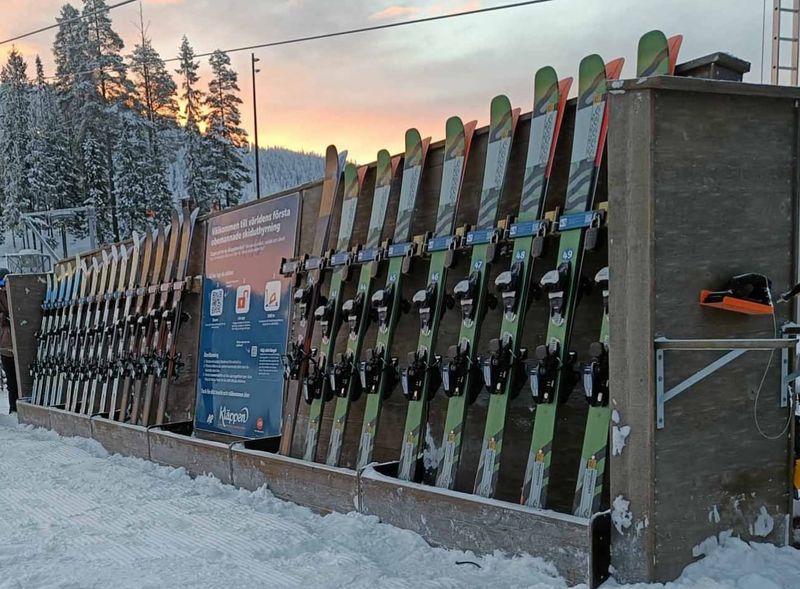
- Ski slopes, ski shops and cross-country trails: renters book skis, a snowboard, a cross-country set or snowshoes in their size. They pick them up from a locked rack by the lift or the trailhead – before your shop opens, after it closes, or on a floodlit evening at a club hill with nobody free to staff the rental. NMB Rent set up a self-service ski rack like this at Kläppen. Clubs and municipalities can lend skis for free the same way, for example over the winter holiday. How ski rental works, bindings included · What could 6 ski sets and a boot cabinet bring in? · Lending for free
- Sauna builders and resellers: deliver your saunas ready to rent out. Fit an Igloohome key box by the door before delivery – no wiring, no Wi-Fi – and your buyer pairs it in the Igloohome app, signs up and takes bookings. Their questions about bookings, payments and codes come to us, not you: setup help and support are included in their plan. Building electric saunas? With a Harvia heater on a Fenix control panel, Rentalbuddy can start the heat before each booking (beta) – check what remote start needs . Put your buyer's price and what the sauna costs into the calculator and send them the link: it shows what the sauna could leave them and when it's paid back. Want to look after your buyers' booking systems for them? With a partner account your team works in the accounts you look after, and we can help you put a package together. And when someone asks us where to get a sauna, we put them in touch with builders we work with. How sauna builders work with us · Talk to us about partnering
Want to see how it would work for your store, harbour, club, campsite or saunas? Book a free demo – a short video call where we show you Rentalbuddy set up for what you rent out.
With nobody on site
How self-service rental works – from booking to return
-
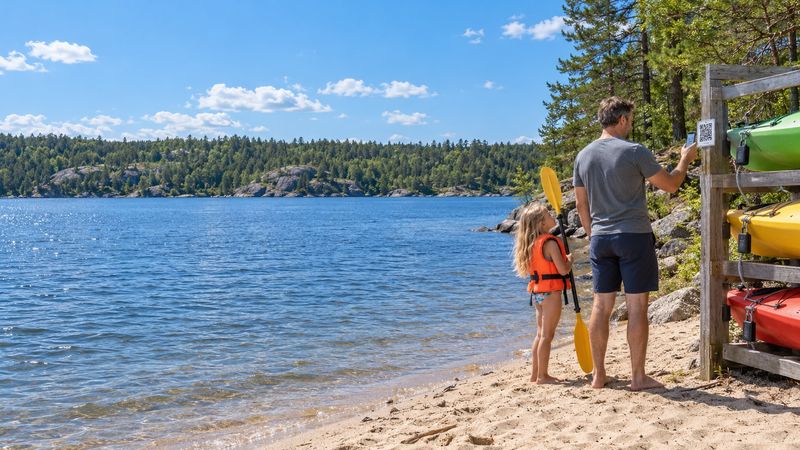
Your customer books online, 24/7
They book on your own website – or, if you don't have one, on the booking page that comes with Rentalbuddy, which Google can find. A guest who just turns up scans the QR code by the lock and books on the spot. No app or account needed, and booking works in 12 languages, so tourists can book in their own.
-
They pay in advance
A no-show has already paid: customers pay when they book – by card, Apple Pay or Google Pay. You can switch on Klarna too, and Swish in Sweden or MobilePay in Denmark and Finland. The money goes to your own account at Stripe, the payment service, and on to your bank a few days later. Norway, Denmark or Finland? Vipps, currency and fees
-
They get their own PIN code
No codes to send by hand: Rentalbuddy makes a new code for every booking, so there's no shared code to change. The button in their confirmation email opens their own unlock page, where the code appears 15 minutes before the start. It stops working on its own soon after the booking ends.
-
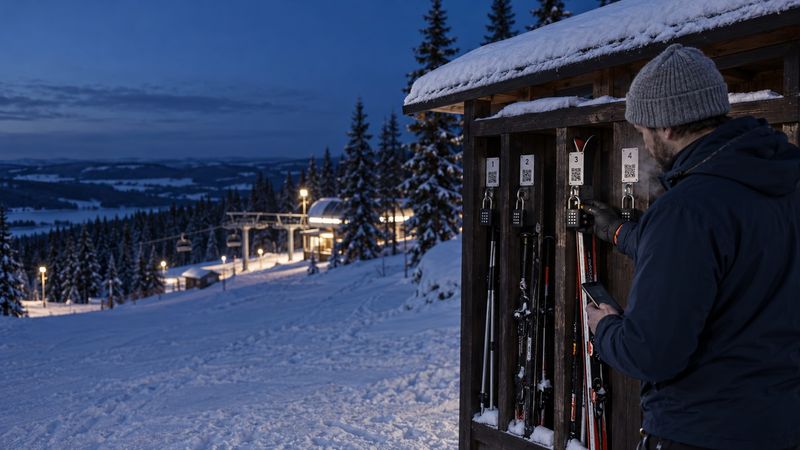
They unlock, use it and lock up again
Their code opens your Igloohome padlock or key box. A padlock locks a kayak or ski rack, a paddleboard box, a trailer hitch or a court gate. A key box holds the key to a sauna, a motorboat or a meeting room. When they're done, they put everything back and close the box or push the padlock shut – no code needed. Then they confirm the return on their unlock page, with a photo if you ask for one. Kayaks or SUPs in a box? · Skis or winter gear?
-
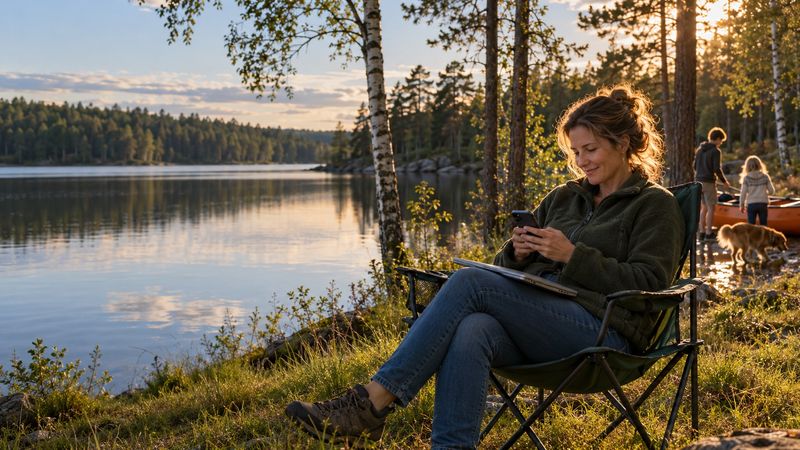
Rentalbuddy is there so you can be elsewhere
Take the Saturday on the water, the evening with your family or the shift at your day job. We're your extra pair of eyes on every booking: confirmations and reminders go out on their own, and if a code can't be created, you hear from us in good time. Need to add, move or refund a booking? Do it in your Rentalbuddy admin – where you see every booking, customer and payment – on your phone or laptop. What if a renter gets stuck at the lock?
Try it yourself
Book like your customers do
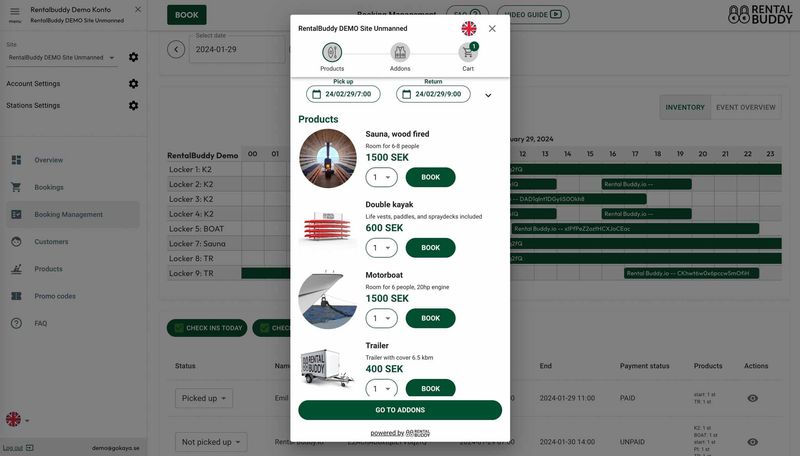
This is the same booking window your customers get on your website or booking page. Make a test booking at our example rental – a wood-fired sauna, a kayak, a boat or a trailer. Pick a time, add an extra and pay with the test card. No sign-up, and nothing is charged.
At checkout, use our test card:
Card number 4242 4242 4242 4242 – that's 4242 four times – any future expiry date and any three-digit CVC.
Liked it? Your customers can book like this on your own website – the booking button works on Wix, WordPress and most other website builders, in your colours. Set yours up in the free trial and make test bookings before you buy a lock.
Customer story · Bastuflotten Mariestad
A self-service floating sauna, open 15 hours a day with nobody on site
“We wanted to create something beautiful and accessible for everyone – without having to be there in person to handle every booking.” – the team behind Bastuflotten Mariestad
Local entrepreneurs took Bastuflotten Mariestad from a sketch and a scale model to a sauna raft near Mariestad's guest harbour on Lake Vänern in Sweden. It's open all year, every day from 7 in the morning to 10 at night. Guests book at least three hours for up to six people – 600 SEK for the sauna for three hours – and pay online. At the jetty, their own time-limited code opens a key box with the sauna key. When they leave, they lock the key back in and confirm their return on their unlock page. Summer or winter, nobody from Bastuflotten has to be there.
The short video (in Swedish) follows the walk from the jetty to the warm sauna. “We’re extremely satisfied with Rentalbuddy and also grateful for the support from our local municipality that helped make this idea a reality,” says the team.
Read the Bastuflotten storyFloating or mobile sauna? What to think about Start a self-service sauna rentalWhat could a sauna at 600 SEK a session leave you?
If you can lock it, you can rent it out
Saunas, boats and gear shouldn't gather dust between weekends. As self-service rentals, they can earn money day and night with nobody on site. Run them as a business of your own – your name, your prices, no franchise fee – or as bookable extras for the guests at your campsite or hotel. Clubs and municipalities lend theirs to members and residents the same way. And shared gear gets more people out on the water, the trails and the slopes without buying their own.
-
Sauna rental
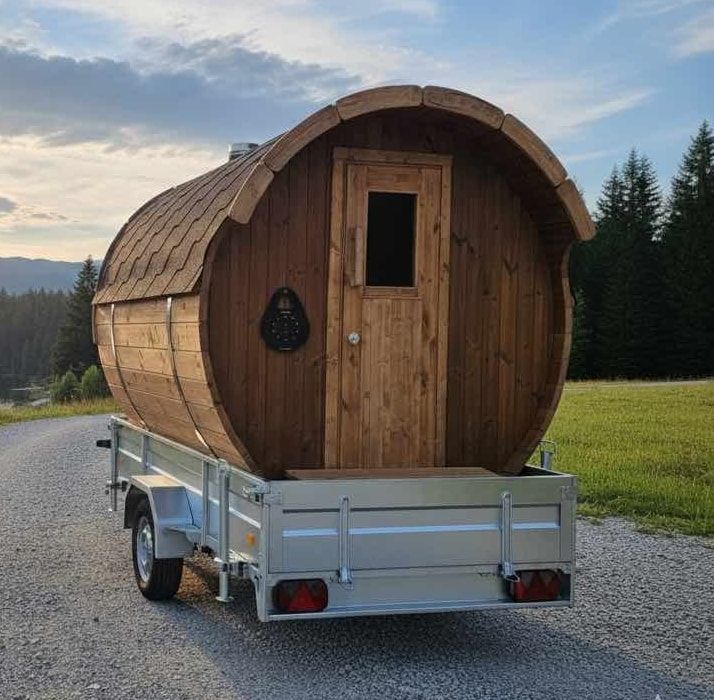
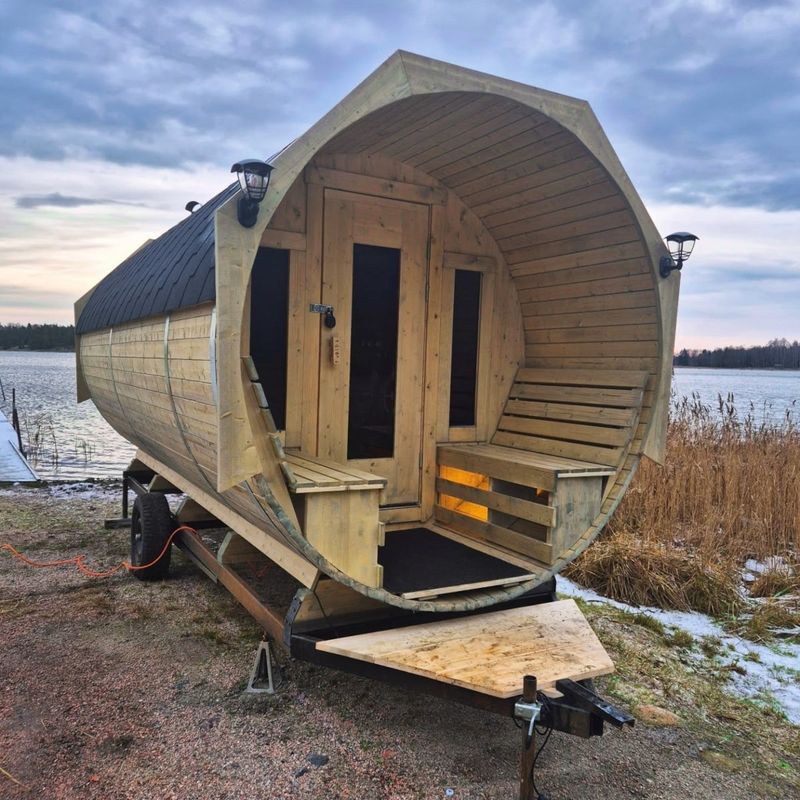
On a trailer, floating or by the lake. Guests book a session and get their own code to the key box with the sauna key. Wood-fired or electric – with a connected Harvia heater, Rentalbuddy can even start the heat before guests arrive (beta).
-
Kayak, canoe & SUP rental
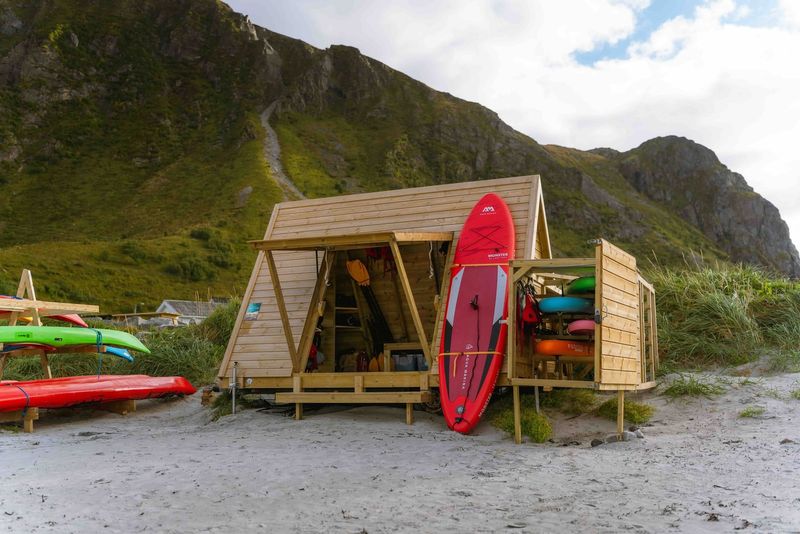
From a box on a beach, like Lofoten Wild's in Norway, or a rack at your canoe landing. Each booking gets its own code for the box door or the padlock on its kayak, canoe or board – for a few hours, a day or a multi-day trip.
-
Boat rental
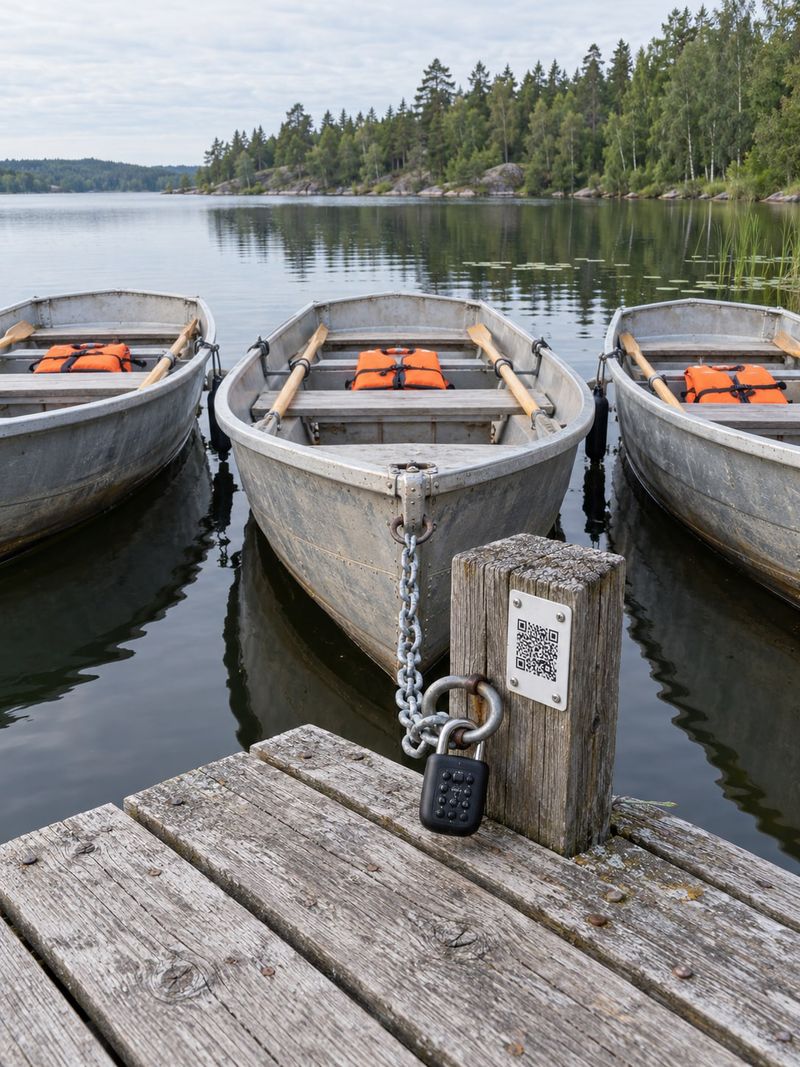
Motorboat keys in a key box on the jetty – like MarinaOne's members at several harbours in Skåne – and rowing boats on a padlocked chain. Ask renters to accept your terms, upload a photo of their ID or boating licence and watch your safety video before the code appears.
-
Trailer rental
Outside your store, petrol station or depot, like Närsläp's at ICA Kvantum in Höganäs. Renters pick up and return around the clock with their own code – no keys or paperwork at the counter, and every renter comes by your store twice.
-
Skis, bikes, courts & more
Skis by the lift – like the unmanned rack NMB Rent set up with Rentalbuddy at Kläppen – plus bikes, courts and rooms by the hour. Renters scan the QR code, pay and unlock on the spot.
Why rental businesses choose Rentalbuddy
A booking system for self-service rental that makes the lock codes for you
Think of it as a reception desk that never closes – not at seven on a February morning, not at midnight in July. It only gets in touch with you when something needs a person.
Already take bookings online?
Most booking systems stop at the booking
- Someone hands over a key or sends a code by hand – or every renter gets the same code, which works until someone changes it.
- A wrong or missing code shows up when the renter calls you from the lock – and maybe you drive down to let them in.
- Move a booking, and its code has to be made and sent again.
With Rentalbuddy
- Every booking gets its own code, made automatically – also for a box, shed or hall door that several items share. Each code stops working soon after its booking ends.
- Problems show up early: if a code can't be created, Rentalbuddy keeps trying and emails you – usually hours before the renter arrives.
- The code follows the booking: move or extend it, and its code is updated to the new time.
- A fixed monthly price, not a cut of your bookings: from 299 SEK a month excl. VAT, however many bookings you take. No commission, and no booking fee on top of your customers' price – the only fee per payment is Stripe's.
- Keep what you have: the Stripe account you already use connects as it is, and so do Igloohome locks on Igloohome's supported list. Key boxes with a fixed code work too at first – renters see the box's code on their unlock page – until you swap in Igloohome locks, one at a time.
- Switch at your own pace: set up and test Rentalbuddy while your current system keeps taking the real bookings – your free trial runs until your switch date, up to 180 days. Or move only part, as Camp Immeln does: its pitches and cabins stay in its campsite system, and its canoes are booked in Rentalbuddy. The two don't sync, so book each item in only one.
- Free to leave: cancel any time – there's no minimum term. Your locks stay paired to your own Igloohome account, your money is in your own Stripe account, and you can export your bookings as CSV whenever you like.
Skellefteå Kayaking started in 2021 on a booking system where “every booking required manually generated codes” and has run on Rentalbuddy since 2024, and Närsläp moved because Rentalbuddy is “highly focused on self service rentals”. Read what they say
Switching from phone bookings or another system? Here's how What Rentalbuddy doesn't do Plan your switch in a demo
-
Your gear stays locked, just as it is at night today – self-service only changes who gets the code.
- No payment, no code – and never in an email or text. Renters who book online see their code only after they have paid, on their own unlock page, from 15 minutes before the start – not in a message that sits in an inbox for days.
- One code per booking. It opens your lock only around the booked time, then stops for good, so past renters can't come back another day. After several wrong codes in a row, the keypad stops accepting codes for a while, so nobody can stand there guessing.
- Your rules first, then the code. Before the code appears, renters do what you ask of them: accept your rental terms, sign your rental agreement on their phone, answer your questions, watch your safety video or upload a photo of their ID or licence. The ID photo is saved on the booking for you to look at; it isn't checked automatically.
- A record of every rental. Each booking shows when the renter opened their unlock page to see the code and when they confirmed the return. Ask for photos at pick-up and return as well: if something comes back damaged, you know who had it, and the photos show how they found and left it.
What if… a renter can't open the lock something comes back damaged, or not at all the weather turns or someone is late See all features
-
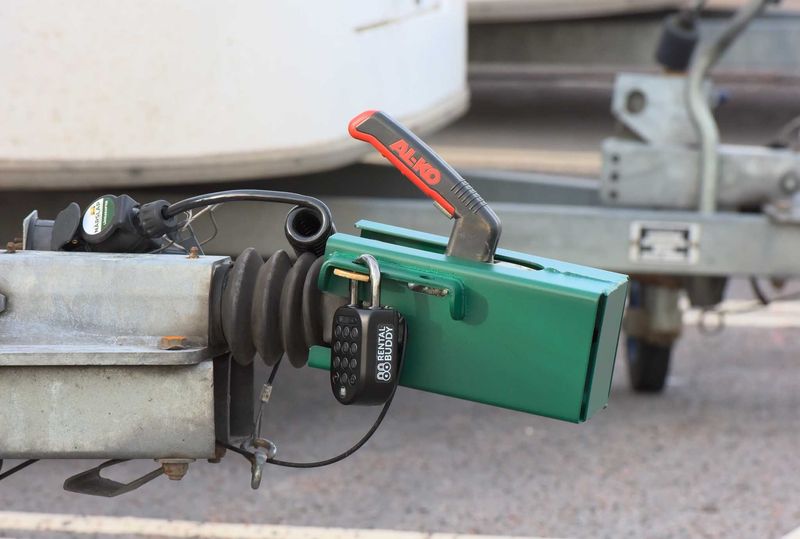
Rentalbuddy works with Igloohome's smart padlocks and key boxes: battery-powered code locks that check the code on the lock itself.
- No Wi-Fi or power on site. They work on a jetty, a beach, a ski slope or a forest road. Only the renter's phone needs a signal, to show the code.
- Codes made ahead of time. Rentalbuddy creates each code in advance through Igloo Connect, Igloohome's online service, so the lock never has to go online. Once a code is made, the lock accepts it even if the mobile network – or Rentalbuddy itself – is down.
- If their page won't load: the renter calls you, and you create a one-time code for them in the Igloohome app.
- Locks you buy once and own: usually the Padlock 2 for a rack, a chain, a box or shed door or a trailer hitch, and the Keybox 3 for a key, from Igloohome or a reseller, paired in the Igloohome app. Igloohome locks you already have connect as they are if they're on Igloohome's supported list.
Igloohome's case study on two floating saunas run with RentalbuddyNo signal at your spot? Frost and batteries More about digital locks
-
Sell more with each booking, and give guests a reason to come back.
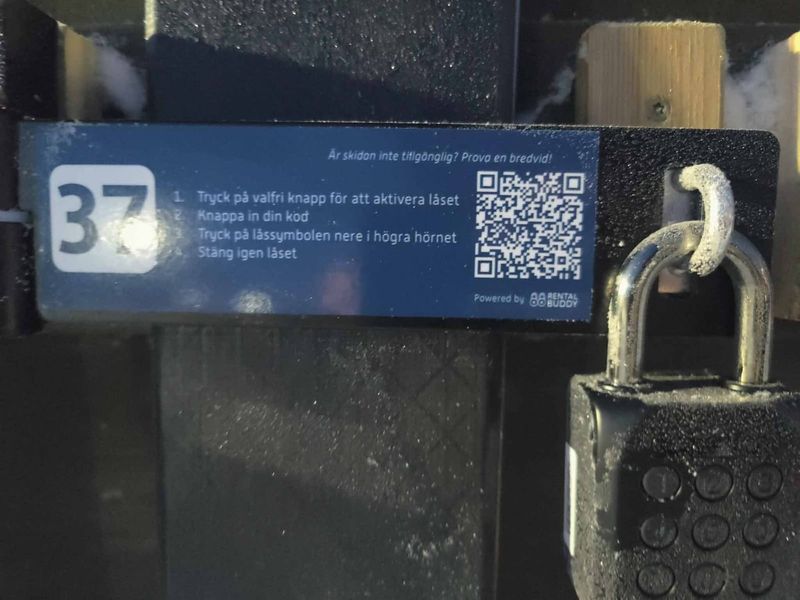
- Extras in the same checkout: firewood and towels for the sauna, dry bags or a tent for a canoe trip, helmets and poles with the skis, rackets and balls with a padel court, fuel for the boat, straps or a cargo net with the trailer.
- Packages, promo codes and memberships: bundle products together, and bring regulars back with a discount.
- More Google reviews: when renters confirm their return on their unlock page, they see your Google rating and a button to review you – right after the trip, while it's fresh. It shows when your location is on Google Maps.
- Tours, courses and hosted sauna evenings: sell seats as events linked to your rentals, so a kayak out on a tour can't be rented out at the same time – as Arkipelagkajak does in Karlskrona, with self-service whenever Alexander isn't guiding.
- Harvia heater control (beta): rent out an electric sauna with a Harvia heater on a Fenix control panel? Start it from your phone before each booking, or let Rentalbuddy start it on its own so it's warming up before guests arrive – check what remote start needs first
-
Someone calls or drops in? Book it for them, and it lands in the same calendar as your online bookings.
- Take payment your way: mark the booking paid – in cash, by Swish or Vipps, or by invoice – or send them a payment link.
- All your locations in one place: every booking, customer and payment, on your computer or phone.
- Logins for your team: colleagues, seasonal staff or club volunteers get their own. Booking staff can take, move and check in bookings, but can't make refunds.
- Your numbers: follow revenue and statistics, and export your bookings as a CSV file, which any spreadsheet program can open.
-
You talk to the people who build Rentalbuddy – a small team in Malmö, Sweden, started by friends who love tech and the outdoors. Help is included in your plan: we help you set up products, payments, locks and your booking button, and we're there when something comes up later.
“We want to thank Emil for all his help and support – he's been amazing!” – Bastuflotten Mariestad, about Emil from our team
Call +46 10 516 46 26 or email info@rentalbuddy.io, 8:00–17:00 Swedish time, in English or Swedish. Outside those hours, you can sort out most renter problems yourself, from your phone: read out their code, move them to another free lock or refund them in the admin, or create a one-time code in the Igloohome app.

Customer stories
Rental owners with time back and room to grow
Igloohome, the lock maker, has published case studies on rentals run with Rentalbuddy:
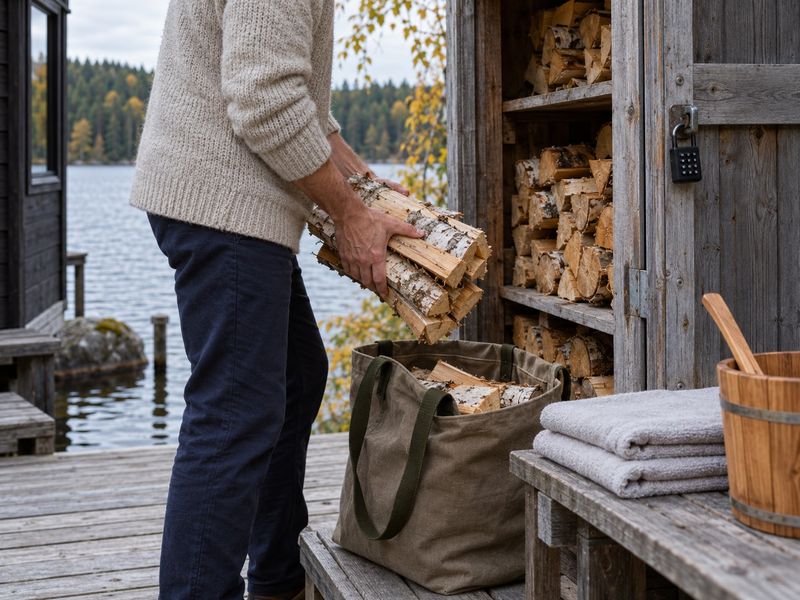
- Two floating saunas, Grebo Bastubåt and Bastuflotten Mariestad: guests fetch firewood with their own code, which saves Grebo Bastubåt about 3 hours of manual work a week, Igloohome reports.
- Side Cut Sports' self-service SUP kiosks in Switzerland, where Igloohome calls Rentalbuddy “our technology partner”.
- A self-service ski rack at Kläppen, which Igloohome calls “the world's first unmanned ski rental kiosk”, naming Rentalbuddy its “software integration partner”.
Our customers range from one wood-fired sauna at a seaside campsite to kayak boxes at four places in Norway, a self-service SUP station at Schwarzsee in Switzerland and trailers outside two stores in Höganäs. MarinaOne's members book boats at several harbours, and Hudiksvall Municipality lends recycling bins to event organisers for free.
-
-

-

-
-

1 of 5
How municipalities, campsites and businesses run self-service rentals
Earnings calculator
What could your self-service rental earn?
Pick what you want to rent out and how many. We fill in typical Nordic prices and seasons, and you can change every number to match your business. We subtract VAT, card fees, Igloohome's code fee (about 20 SEK per lock a month, for the service that makes the codes) and your Rentalbuddy plan, so you see what's left. Already have the gear? Add the locks and see how many bookings pay for them. Starting from scratch? Add the equipment too, and we show when it's paid back – also for a quiet first season. What you need to start
Change your numbers
Your estimate
About 93,000 SEK a year
left for you – about 7,770 SEK a month – after VAT, card fees, Igloohome's code fee and your Rentalbuddy plan, before your own costs
Left in a quiet year (often the first season): about 45,000 SEK · in a busy year: about 190,000 SEK
Start free trial
Go through my numbers in a demo
Free for 30 days – no credit card, no setup fee. Set everything up and make test bookings before you buy a single lock.
Your customers pay about 125,000 SEK a year (incl. VAT):
- 1 sauna × 3 bookings a week × 52 weeks × 800 SEK
Rentalbuddy Starter (1 location, up to 6 locks): 299 SEK a month, no commission on your bookings.
Show the math
- Your customers pay (incl. VAT)
- 124,800 SEK
- VAT in your prices (25%)
- −24,960 SEK
- Stripe's payment fees (card, Apple Pay, Klarna…, estimate)
- −2,780 SEK
- Rentalbuddy Starter, 299 SEK × 12
- −3,588 SEK
- Commission to Rentalbuddy
- None · 0 SEK
- Igloohome's code fee, about 20 SEK per lock a month (paid to Igloohome; counted for every lock on your plan here – with one lock on a shared door you pay it once)
- −240 SEK
- Left for you, before your own costs
- 93,200 SEK
Starter is enough: 1 location, and you use 1 of the 6 locks it includes. Compare plans
An estimate, not a promise. What you earn depends on your location, prices, the weather and how people find you. Not included: the locks themselves (bought once), your equipment and its upkeep and repairs, fuel, firewood or electricity, cleaning, insurance, site or mooring rent, marketing and income tax.
Your first 6 bookings of the year pay for Rentalbuddy
We never take a share of your bookings – no commission.
About 156 bookings a year that run without you
No meeting renters at a set time, no keys to hand over, no payments to take – about 52 hours a year back for you or your staff (about 20 min per booking). Time for a day outdoors, your other customers – or your next location.
1 lock on your plan
One for each item, so each can be booked on its own. A shared door – a SUP box, a paddle shed, a woodshed, a ski-boot cabinet or a hall door in front of several courts – counts as one more lock on your plan. For that door you buy just one Igloohome lock, once, from Igloohome or a reseller. About the locks · Lock prices in Igloohome's shop
About 75 of every 100 SEK
your customers pay is left for you – before your own costs, such as firewood, cleaning and site rent.
Of each 800 SEK session, about 600 SEK is left for you.
- Left for you 75
- VAT 20 (the 25% added to 80)
- Rentalbuddy 3
- Stripe 2
- Igloohome less than 1
- Commission 0
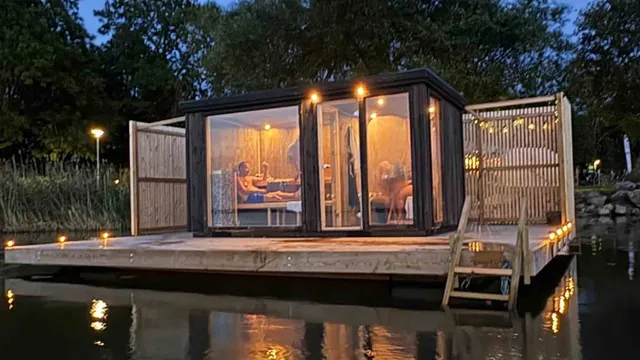
A floating sauna on Lake Vänern for up to 6 guests, open all year: 600 SEK for 3 hours, bookable 7:00–22:00 every day with nobody on site.
See how Bastuflotten Mariestad runs itThe estimate uses the numbers in the calculator, not theirs.
How we calculate, and typical prices
Bookings per week × weeks in your season × price per booking = what your customers pay in a year. From that we subtract:
- the VAT included in your prices
- Stripe's payment fees: in Sweden 1.5% + 1.80 SEK for a standard European card, up to 3.15% + 1.80 SEK for premium and non-European cards, 1% + 3 SEK for Swish – at most 7 SEK a payment – and from 2.99% + 4.50 SEK for Klarna. We use 2% + 1.80 SEK per payment as an average, assuming most of your customers pay with an ordinary European card – if many choose Klarna or pay with cards from abroad, expect a little more.
- Igloohome's code fee: about 20 SEK a month per Igloohome lock, for Igloo Connect, the Igloohome service that creates the codes (the lock itself stays offline). To be safe we count it for every lock on your plan – where several items share one door lock, you pay it only for that one physical lock, so your real fee can be lower.
- your Rentalbuddy plan
Rentalbuddy takes no commission on your bookings. Your own costs – firewood, cleaning, site rent, insurance – are left out unless you enter them in the calculator.
Every item you rent out self-service counts as one lock on your plan, so it can be booked on its own. When several items sit behind one shared door, you buy only one physical Igloohome lock for that door, and that door lock counts as one more – 4 boards in one box count as 5 locks. A shared lock on a shed for paddles, life jackets or firewood, or on a cabinet for ski boots and helmets, counts the same way; add them under Plan, VAT and currency. Your plan depends on your locks and locations: Starter covers one location and up to 6 locks; Growth covers up to 3 locations and 8 locks, then 120 SEK a month per extra lock; more locations are Enterprise, priced for you. We count the plan for all twelve months, even if you only rent out in summer or only in winter. Rentals whose seasons don't overlap – kayaks in summer, skis in winter – share your plan's locks: only locks that are switched on count toward your limit, so we count your busiest month, not every lock you own. Paying yearly saves 17%.
Bookings per item a week that we assume, averaged over the season (Quiet / Typical / Busy): sauna sessions 1.5 / 3 / 6 · mobile sauna or hot tub 0.5 / 1 / 2.5 · kayak or canoe 1 / 2 / 4 · SUP 1.5 / 3 / 5 · boat 1 / 2 / 4 · trailer 1.5 / 3 / 5 · bike 1 / 2 / 4 · ski set 1 / 2 / 4 · anything else 1 / 2 / 4 · court or room 5 / 10 / 20 booked hours. Typical means, for example, a sauna booked about 3 times a week or a kayak out about 32 times in a 16-week summer – well under half of what each item could take. Even Busy, 6 sauna sessions a week, is under a third of the 21 a sauna could take at three a day. For a court or room, Typical – 10 booked hours a week – is about one in ten of the hours between 7:00 and 22:00.
Time you get back: the minutes a staffed hand-over would take per booking – meeting the renter, the key, the payment and the trip there and back: sauna session 20 · mobile sauna or hot tub 30 · kayak or canoe 15 · SUP 10 · boat 20 · trailer 15 · bike 10 · ski set 10 · court or room 5 per booked hour · anything else 15. Cleaning and restocking are left out – they stay with you either way. That's on the cautious side: Igloohome reports that letting guests fetch firewood with their own code saves Grebo Bastubåt about 3 hours of manual work a week. We count every kayak, board or bike rented: when a family takes three in one booking, that's one hand-over, so lower the minutes if most of your customers come in groups. Change them to yours under Adjust the numbers.
The starting prices are typical prices that Nordic rental businesses – some of them our customers – show on their public price lists (October 2026), not booking data from Rentalbuddy. The bookings per week under Typical are our own assumptions for a rental that is up and running – a first season is often closer to Quiet. Change every number to yours. Typical prices:
- Sauna by the session: often 600–1,000 SEK for 3 hours in a sauna for 6–8 people – Bastuflotten Mariestad charges 600 SEK and Grebo Bastubåt 800 SEK – and 1,400–1,900 SEK for a large floating sauna for 15. All year. Sauna booking system · Start a sauna rental
- Sauna at a campsite or hotel, booked by guests and day visitors: often 400–600 SEK for 2 hours – at Strandstuviken's seaside campsite 400 SEK when guests light the wood-fired stove themselves, 600 SEK when staff heat it for them (not in winter).
- Mobile sauna or hot tub that customers tow away: about 1,300–2,000 SEK a day and 3,000–4,000 SEK for a weekend, all year – some of the higher prices include delivery and pick-up.
- Kayak and canoe: about 200–450 SEK for 2–4 hours (300–450 SEK at self-service kayak boxes and stations – Kajup in Östersund charges 300 SEK for 3 hours) and 300–700 SEK for a full day, late May to early September (16 weeks). For trips of several days, enter what an average trip brings in, and count trips, not days. Kayak and canoe booking system
- SUP: about 200–450 SEK for 2–4 hours, late May to early September.
- Boat: small motorboats about 600–2,000 SEK a day; rowing boats about 300–450 SEK a day, less at fishing clubs. Boat booking system
- Trailer: usually priced by time – about 150–250 SEK for a few hours and 300–500 SEK for a full day, depending on the trailer, all year. Trailer booking system
- Courts and rooms by the hour: padel courts about 200–550 SEK an hour. Here one booking is one booked hour. Courts rented out for sport usually carry 6% VAT in Sweden, so we use 6% when courts are all you rent out; renting out rooms or premises is often VAT-free.
- Bikes and e-bikes: ordinary bikes about 150–300 SEK a day, e-bikes and electric mountain bikes about 400–700 SEK, May to September.
- Ski gear: a complete set about 200–600 SEK a day, cross-country at the low end and alpine at the top, mid-December to March (16 weeks). Here one booking is one set for one rental – a day, unless you enter your own.
- How the digital locks work · Plans and prices
| Example | Bookings a year | Customers pay | Rentalbuddy a year | Left for you |
|---|---|---|---|---|
| 1 sauna, 3 bookings a week all year, 800 SEK per session | 156 | 124,800 SEK | 3,588 SEK | 93,200 SEK |
| 6 kayaks, 2 bookings each a week for 16 summer weeks, 400 SEK per rental | 192 | 76,800 SEK | 3,588 SEK | 54,500 SEK |
| 3 trailers, 3 bookings each a week all year, 250 SEK per rental | 468 | 117,000 SEK | 3,588 SEK | 86,100 SEK |
| Campsite: 1 guest sauna at 400 SEK a session, 4 kayaks and 6 bikes at the prices above | 548 | 179,600 SEK | 11,508 SEK | 125,000 SEK |
Pricing
Fixed price from 299 SEK a month. No commission on your bookings.
-
Rentalbuddy plan
from 299 SEK a month excl. VAT
- Starter, 299 SEK a month: 1 location (one pick-up place, such as a beach or a store car park) and up to 6 locks. 248 SEK a month paid yearly.
- Growth, 599 SEK a month: for more than 6 locks or 2–3 locations – 8 locks included, then 120 SEK a month per extra lock. Paid yearly: 497 SEK a month, and 100 SEK per extra lock.
- What counts as a lock on your plan: every item customers can book at a self-service location counts as one, and so does every shared door. So 4 SUPs in a box with one Igloohome lock on its door count as 5 – though you buy only one lock.
- Cancel any time: no minimum term – pay a month or a year ahead and cancel in the admin whenever you like. Everything keeps working until the end of the period you've paid for.
Details : Rentalbuddy plan
A location is one place customers pick up from – a beach, a jetty, a store car park or a whole campsite – with its own booking page. 12 kayaks at one beach, each on its own padlock, are 12 locks on Growth: 599 + 4 × 120 = 1,079 SEK a month. Only locks that are switched on count toward your limit, so you can switch off the kayaks in winter and switch on the skis, and both fit in one plan. Your monthly price stays the same while locks are off. More than 3 locations? That's Enterprise, priced for you. Your price never depends on how many bookings you take.
-
Stripe, per payment
about 1.5–3.15% + 1.80 SEK in Sweden
In Norway, 2.4% + 2 NOK for a standard Norwegian or EU card. No monthly fee. Lending for free, with nothing to pay online? You don't need a Stripe account.
Details : Stripe, per payment
In Sweden most European cards cost 1.5% + 1.80 SEK, premium and non-European cards up to 3.15% + 1.80 SEK, Swish 1% + 3 SEK – at most 7 SEK a payment – and Klarna from 2.99% + 4.50 SEK. Your customers pay straight into your own Stripe account – you open it, or connect the one you already have, during setup – and Stripe pays the money out to your bank. Card details go into Stripe's secure payment form, so Rentalbuddy never sees them or holds your money.
-
Igloohome, per lock
about 20 SEK a month
About US$2 per lock a month, billed by Igloohome to the payment method you add in its Igloo Connect account. Plus the lock itself, bought once – Igloohome's EU shop lists the Padlock 2 at €159.99 and the Keybox 3 at €159 (October 2026); resellers set their own prices. See Igloohome's shop
Details : Igloohome, per lock
The monthly fee is for Igloo Connect, the Igloohome service that creates the codes – the locks themselves stay offline. Igloohome bills it itself; if your organisation can only pay by invoice, ask us before you buy locks. Buy the locks from Igloohome or a reseller. About the digital locks
-
Free trial
30 days
Or until your rental opens, up to 180 days from sign-up. No credit card.
Details : Free trial
No setup fee, and nothing is charged when the trial ends: you choose a plan in the admin when you want to continue – and you can cancel any time after that too. During the trial you can set up one location with up to 6 locks, as on Starter, and logins for colleagues open once you choose a plan. Want to test a bigger setup? Ask us.
What's included in both plans
Everything included, on both plans:
- Online booking 24/7, on your website or your own booking page
- A new lock code for every booking, made automatically
- Payment in advance, straight into your own Stripe account
- Confirmation and reminder emails with your own texts
- Extras, packages, promo codes, memberships, events and courses
- Your terms, questions, safety video and ID photo before the code
- Photos at pick-up and return
- Phone and counter bookings in the same calendar
- Logins for your team
- Statistics and CSV export
- Booking in 12 languages, the admin in 9 – Norwegian, Danish and Finnish included
- Setup help and support by phone and email, from the people who build it
Example – one month, every fee counted: one sauna booked 3 times a week, all year, at 800 SEK a session
- Your customers pay, incl. VAT
- 10,400 SEK
- VAT (25%)
- −2,080 SEK
- Rentalbuddy Starter
- −299 SEK
- Stripe's payment fees, about
- −231 SEK
- Igloohome's code fee, about
- −20 SEK
- Commission to Rentalbuddy
- 0 SEK
- Left for you, about
- 7,770 SEK a month (≈ 93,000 SEK a year)
Before your own costs, such as firewood, cleaning and site rent. The lock is bought once – Igloohome's EU shop lists the Keybox 3 at €159 (October 2026) – and at these numbers the first month's bookings pay for it. Try your own numbers
Rentalbuddy's prices exclude VAT; lock prices are as Igloohome's shop lists them, and what your customers pay in the example includes VAT. Not VAT-registered, as a small sole trader or an association? Then Starter costs 374 SEK a month incl. VAT (310 SEK paid yearly). Rentalbuddy's prices are in Swedish kronor: 299 SEK is about 285 NOK, 200 DKK, €27 or $30 a month, and 599 SEK about 570 NOK, 405 DKK, €54 or $60. We can invoice you, also in euro – for example as a municipality or association. Ask us before you subscribe, or if you have many locations: contact us.
Getting started
Start your self-service rental in three steps
Set it up once, then let the bookings run while you're out fishing – or anywhere else. Do it on your own or on the phone with the small team in Malmö that builds Rentalbuddy – setup help is included in your plan.
“I warmly recommend it to others. It's easy to get started with, works very reliably and offers good support and flexible solutions.” – My Rutdal, founder of Skellefteå Kayaking
-
Create your free account
Sign up in a few minutes – no credit card, no setup fee. Before you sign up, you only need something to rent out or lend and a place where you're allowed to keep it – the locks and payments come later. Prefer a walkthrough? Book a demo. Starting from zero? What you need, from permits to insurance
-
Add your rentals
A step-by-step guide in the admin takes you through your location, your rentals and prices, your own Stripe account for online payment (skip it if you lend for free) and your Igloohome locks. Setup typically takes a few hours to a couple of days, and we help if you get stuck. Make test bookings before you buy a single lock. More about getting started
-
Put up the locks and open for bookings
Hang a padlock on the kayak rack or the trailer's hitch lock, or put the key in a key box by the sauna door – one Igloohome lock per item or shared door, no wiring, no Wi-Fi. Then share your booking page or add the booking button to your website. Start with one item if you like.
FAQ
Questions about self-service and unmanned rental
Running it without staff
What is self-service rental, and can my rental run unmanned, with nobody on site?
Self-service rental – also called unmanned, unattended, keyless or contactless rental – means customers book, pay, pick up and return on their own, with nobody on site to hand over a key. Yes, yours can run that way: they pay in advance and get their own PIN code that opens your lock for their booking only, and you follow everything from your phone. Unmanned doesn't mean unmanaged: you or a helper pass by to clean, restock and check the gear when it suits you, not at every hand-over. Return photos, if you ask for them, show you how things were left. Booking online is quick, with no app, account or password (try it yourself).
Staffed and mixed setups work too. Customers who'd rather call or drop in can still book through you or your staff: make the booking in the admin, take payment your usual way – in cash, by Swish or by invoice – and mark it paid, or send them a payment link. Then send the confirmation email, whose button opens their unlock page with the code, or simply read the code out from the booking. Online and counter bookings land in the same calendar.
What if a customer isn't used to booking online, can't open the lock, or a phone or lock battery dies?
They contact you, not a call centre – and you can fix it from wherever you are. Your contact details are in their confirmation and on their unlock page. Customers who'd rather not book online can call or drop in: you book for them in the admin and read their code out from the booking.
- Make it hard to get wrong: their unlock page can show a photo of what they booked and your own instructions – where the lock is, and "type the code, then press the unlock button" – and you can add a short how-to video they watch before the code appears.
- Not free to answer the phone at night? Set pick-up and return hours – for example 8:00–20:00 – so renters collect and bring things back only when you or a helper can take a call, and widen them once you trust it. In between, the item is simply out on a booking that runs on its own.
- Email in the spam folder, a mistyped address, a lost code or a dead phone battery: each booking shows whether its emails were delivered, and you see the PIN code in the admin – read it out over the phone, or correct the address and resend the confirmation.
- The lock won't open: check that they're at the right lock, that their time has started – a code opens up to an hour before the start – and that they pressed the unlock button after typing the code. After several wrong tries the keypad pauses for a while, so ask them to wait and try again. Still stuck? Move the booking to another free lock, or create a one-time code for them in the Igloohome app – you don't need to be there. Give out the lock's master code only as a last resort: it opens the lock at any time until you change it, and changing it means standing by the lock with the Igloohome app.
- A flat battery or a broken lock: Rentalbuddy can't see a lock's battery from a distance, so charge your padlocks and change your key boxes' batteries before the season and regularly during it. If a lock dies or breaks anyway, move the renter's booking to another free item from your phone, or refund it. Keep a spare lock paired and switched off: Replace lock in the admin swaps it in and moves the old lock's upcoming bookings to it. A flat padlock can also be powered for a moment from a power bank through its USB-C port (frost and batteries ).
- The key isn't back in the box: ask for a photo of the key in the box when renters confirm their return, so you see it's back. Keep a spare key in a second key box whose code only you know. If a key goes missing, create a one-time code for that box in the Igloohome app and give it to the next renter by phone. Then call the last renter – their number is on the booking.
- Problems show up early: Rentalbuddy creates each code well ahead – about 14 hours before the booking starts, or straight away for a last-minute booking. If one can't be created, it keeps trying and warns you in the admin and by email, so you hear about it hours before the renter arrives, not when they're standing at the lock.
Once a code exists, the lock checks it on its own, with no internet – so codes already made keep working even if the mobile network or Rentalbuddy itself is down, and you can still create a code for a renter in the Igloohome app.
“Being able to support customers remotely has been extremely valuable, I can now take up my phone or computer wherever I am and solve any customer support issues directly when a customer calls.” – Ola Thomasson, Blekingesurf (read the story)
What stops theft or damage, and can I take a deposit?
Each code opens your lock for one paid booking only, and every booking holds the renter's name, phone number and payment – so you know whose booking it was and whom to call. A card deposit isn't possible, but you can add a fixed damage-cover fee and a damage clause instead.
Online renters only get their code once they have paid, and every booking gets its own code that opens your lock for that booking only. After several wrong codes in a row, the Igloohome keypad stops accepting codes for a while, so nobody can stand there guessing. Your gear stays locked just as it is at night today – self-service only changes who gets the code: one renter, for their own booking.
You can also ask renters to:
- accept your rental terms – for example, for a trailer, that the driver has the right licence for car plus trailer
- sign your rental agreement or a waiver on their phone
- answer your own questions, such as the registration number of the towing car or how many people will be on board
- watch a short safety video before the code is shown
- upload a photo of their ID, driving licence or boating licence (saved on the booking for you to look at – it isn't checked automatically, and the code doesn't wait for anyone to approve it)
- take photos at pick-up and return – for example of the boat at the jetty, or the key back in the box
Instead of a deposit, add a fixed damage-cover or cleaning fee to every booking and a damage clause to your terms – for a boat, for example, that the renter pays your insurance excess (the part of a claim you pay yourself) for damage they cause. If something comes back damaged, or a motorboat comes back with less fuel than your terms ask for, the booking holds the renter's contact details and photos: you know whom to contact, can send them a payment link from the booking and have something to show your insurer. No terms yet? Ask us for example rental terms and a damage policy to start from, and adapt them to your business and local rules.
If something isn't brought back, nothing happens automatically, but you can follow it up:
- the booking stays marked as picked up until the renter confirms the return
- you can set up a 'please return' email that goes only to those renters once their time is up
- the booking holds their name, phone number and email – plus the ID photo or car registration number if you asked for them – so you know whom to call
What if the weather is bad, a renter is late, or someone doesn't show up?
You decide, from your phone: close a day, move bookings or refund them. Renters can't cancel on their own, and no-shows have already paid.
- Bad weather: strong wind or a storm forecast for your SUPs, kayaks or boats? Close that day for bookings in the admin, then move the bookings already made to another day – their codes follow – and resend the confirmation. Or cancel and refund them, and let the renters know. Renters get their whole payment back, but Stripe keeps its fee on the original payment – about 14–27 SEK on an 800 SEK card payment – so moving a booking costs you less than refunding it.
- Running late or wanting longer: switch on the buttons for it, and renters can move their start time before the booking begins, or extend the booking from their unlock page and pay for the extra time, as long as nobody else has booked the item.
- Late back: renters get a reminder before their time is up, and a break between bookings gives you a margin. Late returns aren't charged automatically: put a late fee in your rental terms and charge it afterwards with a payment link from the booking.
- No-shows: online bookings are paid when they're made, so a no-show has already paid.
- Cancellations: renters contact you, and you decide under your own terms whether to move the booking or refund all or part of it.
Do the locks need internet or power, and do they work in winter?
No internet or power at the lock. Igloohome padlocks and key boxes run on batteries and check the code themselves, so they work on a jetty, a beach, a ski slope or by a forest lake. Only your renter's phone needs a signal – to open their unlock page, where the code appears 15 minutes before the start.
How can a lock with no connection know a brand-new code? When you pair it in the Igloohome app, the lock and Igloohome's service share a secret key. Each booking's code is worked out from that key and the booking's start and end, so the lock can check on its own that the code is genuine and which hours it's valid for – much like the codes from a bank's security token.
The locks are made for outdoor use. Igloohome rates its Padlock 2 as waterproof (IPX7) for −20 °C to 50 °C; its rechargeable battery lasts up to about 9 months per charge, and if it runs out you can power the lock for a moment from a power bank through its USB-C port. The Keybox 3 is rated IP66 against dust and rain and runs on four AAA batteries for up to 12 months, but Igloohome rates those batteries only down to −10 °C. For a key box by a winter sauna, choose a sheltered spot, fit fresh alkaline batteries before the cold sets in and check them more often – it can be jump-started over USB-C too. If your site often gets colder than −10 °C (key box) or −20 °C (padlock), talk to us before you buy locks.
Igloohome says the padlock's keypad can be used with gloves on, and in its case study on the unmanned ski rack at Kläppen it describes the Padlock 2 as designed for sub-zero conditions, with a battery that lasts the whole ski season. Mount locks where snow or waves can't bury the keypad, such as on the side of a rack or under a small roof. In your confirmation text, ask renters to brush off any frost before they type the code.
No mobile coverage at the lock itself? The code appears on the renter's unlock page 15 minutes before their start, not earlier. So tell them in your confirmation text where the nearest signal is – the car park or the road, for example – and ask them to open the page there and note the code before they walk down. You see every code in the admin and can read it out if they call. How the digital locks work
What you can rent out, and how
What can I rent out?
Anything you can lock with a padlock, or whose key fits in a key box. For example:
- self-service saunas – mobile, floating or by the lake – and hot tubs on a trailer
- kayaks, canoes and SUPs
- rowing boats and motorboats, also for boat clubs – like MarinaOne's members at several harbours
- rental trailers
- bikes and e-bikes, tools, and skis, snowboards, snowshoes and kick-sleds
- the sauna, kayaks, SUPs and bikes at your campsite, glamping site or hotel – booked by guests and day visitors
- courts, club houses, meeting rooms and laundry rooms by the hour – a padlock on the court gate, the room key in a key box
Municipalities and associations lend out equipment the same way, for a fee or for free. See all features of the booking system
How does it work with a wood-fired, electric, floating or mobile sauna?
All four work the same way at the door: each booking gets its own code for a key box that holds the sauna key. The key box runs on batteries, so it needs no power or Wi-Fi – on a raft, by a lake or on a trailer. What differs is how the sauna gets warm and what to sort out before you open:
Wood-fired: with nobody on site, guests light the stove themselves, so make the session long enough to heat up and enjoy it (often 2–3 hours), and add a break after each booking for the stove to burn down. Put your sauna rules (lighting the stove, the damper, water, leaving the sauna) in the confirmation email, and if you like in a short video guests must watch before their code appears. Add an age limit to your terms – for example that whoever books is 18 or over and stays for the whole session – fit a smoke and a carbon monoxide alarm in the changing room, keep a fire blanket or extinguisher by the door, and tell your insurer that guests heat the sauna themselves with nobody on site. A woodshed with its own Igloohome lock gives every booking at the location its own code for the shed, so it's simplest to count the wood in your session price. Or do as Grebo Bastubåt does: one key box on the woodshed holds the keys to both the shed and the sauna. Ask for a photo at return to see how each guest left the sauna, so you can clean and restock on rounds that suit you instead of after every booking.
Electric, with a Harvia heater: you need a Fenix control panel on Wi-Fi and Harvia's MyHarvia Control subscription. Heater control is in beta. Check this before you count on remote starts with nobody on site: depending on how its door contact or safety switch is set up, a Fenix panel can block remote start after a session until someone re-enables remote control at the panel. Ask Harvia or your installer how yours behaves, or plan who re-enables it between bookings. By default, Rentalbuddy emails you a button before each paid booking: press it and confirm, and the heater starts from wherever you are. Rather not tap? Switch on Automatic start for that heater – you stay responsible for the sauna – and Rentalbuddy starts it on its own a set time before each paid booking (45 minutes unless you change it). Either way it switches off when the booking ends, you get an email if the heater is offline, can't be started remotely or won't be warm in time, and guests see its status on their unlock page. Heaters from other makers, such as HUUM, aren't connected to Rentalbuddy: start those on site, or in the maker's own app if it has one.
Floating, on a raft or a sauna boat: fix the key box at the gangway or on the sauna's outside wall, where waves and spray can't reach the keypad, and keep the key to the sauna door in it, as Bastuflotten Mariestad does. Put the key on a floating keyring. Ask for a photo of the key back in the box when guests confirm their return, so you can see it's there before the next guests arrive. It runs on batteries, so you need no power or Wi-Fi out on the water. Add water-safety rules to the terms renters accept, as for any sauna by the water: no swimming alone, children only with an adult. Storm or strong wind forecast? Close that day in the admin and move or refund its bookings from your phone – their codes follow. Still planning the raft? First agree the mooring with the marina or landowner. Ask whether the raft may stay in the water when the lake freezes. Jetty behind a locked gate? Ask the marina whether its gate key or tag can go in a second key box outside the gate: every booking gets its own code for that box too, and it counts as one more lock on your plan – the sauna and the gate are 2 locks, still Starter. And ask the municipality early whether the raft needs a building permit or a shoreline-protection exemption. Still choosing a raft or a sauna? Ask us – we can put you in touch with sauna builders we work with.
Mobile, parked where guests come to it: fix the key box to the outside of the sauna, away from the stove pipe. It runs on batteries with no Wi-Fi or power, so it travels with the sauna. Keep a hitch lock on the trailer while it stands parked. Parking it by a lake for a whole season? Agree the spot with the landowner, and ask the municipality early whether it needs a building permit or a shoreline-protection exemption – a trailer that stays put for long can count as a building. Moving it? Move your location's pin on the map, and the Directions button in new confirmation emails leads guests to the new spot; tell guests who booked before the move where it now stands. It's still one location on your plan. What could it earn by the session?
Mobile, towed away by customers for a day or a weekend: run it like a rental trailer. The key box holds the keys to the hitch lock and the sauna door, so it's still one lock. Ask for the towing car's registration number when they book, put in your terms that the driver's licence covers car plus trailer, and sell firewood – or delivery and pick-up – as extras. What could it earn towed away?
What one sauna costs: the sauna with its key box counts as one lock, and a woodshed with its own lock as one more – both within Starter, 299 SEK a month excl. VAT (248 paid yearly). On top come Igloohome's code fee of about 20 SEK a month per lock and Stripe's fee, about 14–27 SEK on an 800 SEK session paid by card, or 7 SEK by Swish. No commission. What could one sauna leave you?
Gift vouchers: Rentalbuddy has no gift cards. To sell a sauna evening as a present, take payment your own way – by Swish or in your web shop – and give the buyer a promo code for a fixed amount that works once. Whoever gets it types it in when they book; if the booking costs less, the rest isn't saved.
Sauna booking system How to start a self-service sauna rentalHow Bastuflotten Mariestad runs its floating saunaHow Grebo Bastubåt runs its wood-fired sauna boatHow sauna builders work with us
Can I rent out kayaks, canoes or SUPs self-service – from a box or rack at a beach or lake, or for a canoe trip of several days?
Yes – from a locked box, rack or shed at a beach, a lake or a canoe landing, for a couple of hours or a canoe trip of several days, with nobody there to hand out paddles and life jackets.
Kajakkbox runs self-service kayak boxes at several places in Norway, Skellefteå Kayaking runs an unmanned kayak station, and Lofoten Wild runs a SUP box at its basecamp. Customers book and pay online or on the spot – a QR code on the box leads to your booking page – open the lock with the code on their unlock page, paddle, put everything back and lock up. You build or buy the box, cabinet or rack yourself – a local carpenter can make one, and Kajakkbox's boxes double as benches by the water. Rentalbuddy is the booking system and the codes; we don't supply boxes or boards. Igloohome, the lock maker, has written a case study on Side Cut Sports' self-service SUP kiosks, run with Rentalbuddy.
Canoe trips of several days book the same way. Set a price for 1, 2, 3 … up to 14 days, so longer trips cost less per day. Sell a tent, dry bags, a cooking kit or a lift to where the trip starts as extras. A family books several canoes in one booking and pays once. The Directions button in the confirmation email leads renters to your landing, so nobody has to meet them there. Trips end where they start, though: each canoe belongs to one location, so Rentalbuddy can't book a one-way trip that ends at another landing. If your routes end downriver, fetch the canoes yourself and leave a break between bookings long enough for it.
Three ways to lock it:
- One box, one lock on the door – for a handful of boards at a quiet spot. Fit a sturdy hasp on the door and hang an Igloohome Padlock 2 in it. Every booking gets its own code for the door, and Rentalbuddy still books each board on its own, so you never sell more boards than are in the box. Renters push the padlock shut when they head out, and open it again with the same code to put the board back: Igloohome codes run in whole hours, so a code works from up to an hour before the booking starts until up to an hour after it ends. Running late? With extensions switched on, renters add time on their unlock page and pay for it, and their code is updated to the new time; later than that, they call you and you create a one-time code in the Igloohome app. The trade-off: a renter's code opens the whole box, not only their own board – so number the boards and ask for a photo of the box at return; if one is missing, you see whose booking it was. 4 boards and the door count as 5 locks on your plan, though you buy only one lock.
- A row of lockers – for many boards or a busy beach. Each holds a board, a paddle and a life jacket, with a padlock on every door, like Side Cut Sports' SUP station at Schwarzsee in Switzerland. A renter's code opens only the locker they booked, and 6 boards in 6 lockers count as 6 locks.
- An open rack – the usual way for canoes. A padlock and steel cable around each board, through each kayak's cockpit or around each canoe's seat or crossbar, with paddles and life jackets in one shared locker. That locker counts as one more lock: 5 canoes and the locker are 6 locks – still Starter – and 6 canoes and the locker are 7, which needs Growth, 599 SEK a month.
Before the code appears, renters can accept your rules (life jacket on, stay close to the shore) and watch your short safety video, and you can ask for a photo of the box when they return. Strong wind forecast? Close the day for bookings in the admin. Guiding tours as well? Sell them as events linked to the same kayaks: the boats a tour needs are held for it, and the rest stay bookable for self-service. Before you put up the box, get permission for the place from the landowner or municipality.
Who's still on the water at closing time? A kayak or canoe stays marked as picked up until its renter confirms the return on their unlock page, so one look at your calendar shows which boats are still out, and each renter's phone number is on their booking. Rentalbuddy doesn't alert you when someone is late back. So set your last return time well before dark, keep the reminder renters get before their time is up, and add a "please return" email that goes only to renters who haven't confirmed their return. Still out when the next renter is due? Move that booking to another free boat.
Booking system for kayaks, canoes and SUPs How Lofoten Wild set up its SUP boxThe Kajakkbox storyHow Arkipelagkajak combines tours, courses and self-serviceWhat could a box with 4 boards earn?Or 6 boards, each with its own lock?Or 5 canoes on 3-day trips at 1,500 SEK?
Can I rent out motorboats and rowing boats, or a boat club's boats, with nobody at the jetty?
Yes – each motorboat's or sailing boat's key goes in its own Igloohome key box, and each rowing boat's chain gets a code padlock. Fix the key box on the jetty by the boat's berth – or, where the marina doesn't allow that, on the boat itself by the helm. Keep each key on a floating keyring. Jetty behind a locked gate? Ask the marina whether its gate key or tag can go in one more key box outside the gate: every booking at the harbour gets its own code for it, and it counts as one more lock on your plan. Oars and life jackets can share one locker that every booking at the harbour gets its own code for. That locker counts as one more lock on your plan, so 4 boats and a locker count as 5 – still Starter.
Before the code appears, renters can accept your terms (where they may go, how many on board, a skipper aged 18 or over, back before dark), sign your rental agreement on their phone, upload a photo of their ID or boating licence and watch your safety video. The photo is saved on the booking for you to look at – it isn't checked automatically, and the code doesn't wait for anyone to approve it. Licence rules depend on the country and the boat: in Sweden, a boat under 12 metres long and under 4 metres wide needs no licence; in Norway, anyone born in 1980 or later needs a boating licence for a boat over 8 metres or with more than 25 hp. Check what applies to yours. Where a licence is required, check the photo before the code appears on the renter's unlock page, 15 minutes before the start, and cancel and refund a booking that doesn't meet your terms – or keep self-service for boats that need none. Sell fuel, extra life jackets or a fishing kit as extras, and ask for a photo of the boat moored and the key back in the box when they return.
Igloohome codes run in whole hours, so a code can work from up to an hour before its booking starts until up to an hour after it ends. Leave an hour between bookings of the same boat, so the last renter can't reopen the key box during the next rental – and you have time to check and refuel. A boat that isn't back stays marked as picked up in the calendar, so you see at a glance which boats are still out, and the booking holds the renter's phone number. If a boat or its key still isn't back when the next renter is due, move that booking to another free boat in the admin, and the renter gets that boat's code instead. Rentalbuddy doesn't track where boats go; fit a GPS tracker of your own if you want that. Strong wind forecast? Close the day in the admin and move or refund its bookings from your phone. There's no deposit on the renter's card: put a damage clause in your terms – for example that the renter pays your insurance excess – and charge afterwards with a payment link from the booking. Check your insurance before the first rental: ordinary boat insurance often doesn't cover a boat while it's rented out, or a renter who doesn't bring it back. Ask your insurer for cover that includes rental to the public, and tell them that renters take the key from a key box with nobody at the jetty.
Running a boat club or boat pool? Members buy a membership in the same booking window, or you add them by hand, and their bookings with that email get your member discount – up to 100%. There's no members-only login, though: anyone with your booking link can book at your normal price, so set that as your non-member price. Boats for members only – for example because your insurance covers only members? Cancel and refund any booking from an email that isn't on your member list before its code appears. Up to three harbours run as locations in one account on Growth – more on Enterprise – and a membership can cover one harbour or all of them.
Boat booking system How MarinaOne's members book boats at several harboursWhat could 4 boats earn?
Can we rent out trailers from our store or petrol station? What changes for the staff at the counter?
Yes – and keys and rental forms no longer go over the counter. Customers book, pay and open the trailer's hitch lock with their own code, also when the store is closed if you let them book then. Your staff look trailers over when they come back and help the odd renter who calls.
Customers book and pay online, or scan the QR code on the trailer and book on the spot. When they book, they accept your terms (for example, that they have the right licence for car plus trailer) and give the towing car's registration number if you ask for it. They get a reminder before their time is up. To return it, they park the trailer in its spot, put the hitch lock back on and press the padlock shut – it locks by itself, with no code – then confirm the return on their unlock page, with a photo if you ask for one. Trailers come back to the store they were picked up from: one-way rentals between stores aren't possible.
What your staff no longer do:
- hand out and take back keys
- take payment and fill in a rental agreement for every renter – renters do that online
- keep a list of who has which trailer – one calendar shows which trailers are out, when each is due back and which have come back
What they still do:
- look a trailer over when it's back – a break between bookings gives them time, and a margin if someone is late
- move the next renter to another free trailer in the admin if one isn't back – that renter gets the code for that trailer instead
- answer renters who call: the number in the confirmation is yours, so give one that someone answers, or set your opening hours so trailers are picked up and returned only when someone is there. A lost code can be read out from the booking.
- book a customer at the counter, take payment at your own till and mark it paid
Each of them gets their own login, and booking staff can't make refunds. Trailer damaged or not brought back?
A trailer also brings people to your store: every renter comes by twice, to pick it up and to bring it back, and a trailer with your store's name and booking address on it is seen around town. Sell straps, a cargo net or damage cover as extras in the same booking. Or lend trailers free to customers who shop with you: give them a discount code at the till, up to 100% off, with an end date or a cap on how often it can be used, and everyone else pays your normal price.
Before you start:
- Your own rental, not a trailer company's scheme: in a scheme, a trailer company puts its own trailers at your store, looks after them and books them through its app. With Rentalbuddy you buy or lease the trailers yourself (we don't supply them) and put your store's name on them: you set the prices and keep the income and the customers, who book on your own booking page with no app to download – and the upkeep is yours too. Want the visits without owning trailers? Then a scheme may suit you better.
- What to buy: the trailers, a hitch lock that takes a padlock for each one (from a trailer or hardware shop) and one Igloohome padlock per trailer. Which locks
- Insurance and upkeep: check that your insurance covers the trailers while they're rented out, keep up any inspection they need, and look over tyres, lights and the hitch lock between rentals – a return photo shows how each one came back.
- How many: you can start with one; we usually suggest three to five, in two models – an open trailer and a covered one, for example – so customers can pick the one that fits the job.
- What it costs, excl. VAT: Starter, 299 SEK a month, covers up to 6 trailers at one store; two or three stores share one account on Growth – 599 SEK a month with 8 locks included, then 120 SEK a month per extra lock. On top come Igloohome's code fee of about 20 SEK per lock a month and Stripe's fee on each payment. No commission.
- Who already does it: Närsläp, outside two stores in Höganäs, and Hyr Av Bröderna, at several locations.
Trailer booking system See what 3 trailers could bring inHow Närsläp rents out trailers at ICA HöganäsHow Hyr Av Bröderna runs trailers at several locations
Can I rent out skis, snowboards and other winter gear in different sizes?
Yes – add each size as its own product and lock each pair. Settle one thing first: how alpine bindings get set when nobody is there.
Name each size – for example "Alpine skis 150 cm" or "Snowboard 140 cm" – so renters pick their size when they book and you never rent out more pairs than you have. Then choose how to lock them – you build or buy the rack, room or cabinet yourself; Rentalbuddy doesn't supply racks or skis:
- A padlock on every pair: a rack whose slots close with a code padlock, like the one NMB Rent set up at Kläppen, or a steel cable through the bindings. A renter's code opens only the pair they booked.
- One locked ski room, container or cabinet: one Igloohome lock on the door, and Rentalbuddy still books each pair on its own, so you never rent out more pairs of a size than you have. You buy one lock instead of one per pair and pay Igloohome's code fee for that one lock. The trade-off: a renter's code opens the whole room around their booking, so number every pair and ask for a photo at return.
- Boots, poles and helmets: extras with their own stock, in a locked cabinet that every renter gets their own code for.
Every pair counts as one lock on your plan, and so does each shared door: 6 pairs and a ski-boot cabinet are 7 locks – Growth. 20 pairs in one ski room are 21 locks: 599 + 13 × 120 = 2,159 SEK a month excl. VAT, with one physical lock to buy. What could 20 ski sets in one ski room earn?
Alpine ski bindings have a release setting that has to match each renter's boots, weight, height, age and ability, and snowboard bindings need adjusting to the renter's boot size and stance – so decide how that happens before you go unmanned. Staffed ski shops normally set and check release values with a binding tester, following the ISO 11088 standard – so ask your insurer what it requires before renters set their own. NMB Rent set up its Kläppen rack with SkiClicker, a tool for adjusting bindings quickly. Or fit alpine sets at your counter and keep self-service for cross-country sets (skis with matching boots and poles), snowshoes, kick-sleds and sledges, where renters pick their own size and there's no release binding to set. Counter and online bookings land in the same calendar, and your lift passes stay in your own ticket system: Rentalbuddy books and unlocks the gear.
Price by the hour for an afternoon and by the day for a ski week, make longer rentals cheaper per day, and charge more for bookings that start in the winter holiday weeks. Renters pick up when the lifts open or after your shop has closed, with no queue at the counter. A family picks four sets in their sizes, with boots and helmets as extras, in one booking and pays once. Ask for height, weight or boot size when they book, put your safety rules in your terms and show a short video on using the gear before the code appears. Storm or no snow? Close that day in the admin and move or refund its bookings from your phone.
What could 6 ski sets and a ski-boot cabinet earn?The self-service ski rack NMB Rent set up at KläppenHow Igloohome describes the Kläppen ski rack
Can I rent out a padel or tennis court, a club house or a meeting room by the hour?
Yes – each court or room is its own product, with a code padlock on the gate or the room key in a key box by the door. Sell fixed sessions – an hour or 90 minutes on a padel court, an evening in the club house – or let customers pick their own start and end within your opening hours, starting on the hour, half hour or quarter hour. Prices can be per hour, differ by weekday and give members a discount, and the calendar stops double bookings. Players who just turn up scan the QR code on the gate and book the next free time on the spot. Studios, laundry rooms and common rooms that members or residents book by the slot work the same way – free for them if you like.
For an outdoor court, hang an Igloohome padlock on the gate. For a room or club house whose door already has an ordinary lock, keep its key in a key box by the entrance: renters put it back when they leave and confirm the return on their unlock page. Door already has a code lock, a tag reader or a smart lock from another brand? You don't have to replace it. Rentalbuddy can't make codes for it, but you can keep its key or tag in an Igloohome key box by the door, so every booking gets its own code for the box. Or add its keypad as a manual lock: renters see its code on their unlock page around their booking – but it's the same code for everyone and works at any time, so change it now and then. Several courts behind one hall door? A key box won't do there, because the first group takes the key inside with them. Put an Igloohome door lock with a keypad on the hall door itself – locks on Igloohome's Igloo Connect list work with Rentalbuddy, but not every model fits every door, so ask us before you buy one. Every booking then gets its own code for the door, and Rentalbuddy still books each court on its own. Each court counts as a lock on your plan, and so does the door lock – 3 courts and the door count as 4.
Igloohome codes run in whole hours, so a code opens the lock from up to an hour before its booking starts until up to an hour after it ends: an 18:00–19:00 booking's code works from 17:00 to 20:00. With the room key in a key box, that rarely matters: renters keep the key with them until they leave (say so in your confirmation text), so by then the previous renter's code opens an empty box, and a meeting room or club house can be booked back to back. It matters where the code opens the gate or door itself, because the previous group could walk back in during the next booking. On a court gate that's rarely a problem. Where it is, you can still book back to back: lock the gate with an ordinary key lock and keep its key in a key box by the court, as for a room – players take the key in with them and hang it back when they leave, so the last group's code opens an empty box.
Check before you choose: prices can differ by weekday, season and dates you pick, but not by time of day, so an evening hour can't cost more than a morning hour. There are no repeat bookings: a team with a fixed Tuesday slot books each week, or you add their times as manual bookings. Players can't cancel on their own – they contact you. And Rentalbuddy opens the lock but doesn't switch on court lights or heating: put those on a timer or a motion sensor, or ask us about your setup.
Igloohome, the lock maker, lists Rentalbuddy among the booking systems that work with its locks on unmanned tennis, padel and football courts. Clubs and municipalities can let members book for free and charge everyone else – see lending for free . What could 2 courts bring in?
We run a campsite, glamping site, hotel or cabins. Can guests book the sauna, kayaks and bikes through Rentalbuddy?
Yes – Rentalbuddy runs beside the system you already use for cabins, pitches and rooms, for what guests and day visitors book by the hour or the day. Guests book the sauna, kayaks, SUPs, bikes or e-bikes, with battery-powered locks on the kayak rack or the bike stand and a key box by the sauna door, so there is nothing to wire up.
Why not sell it in your campsite system? If yours can sell the sauna as an extra but can't make a lock code for each booking, someone still has to hand over a key or give out one shared code. With Rentalbuddy every booking gets its own code that works only around its time, so guests and day visitors can book and get in after reception has closed. Already get door codes for your cabins from your campsite or hotel system? Then compare how it handles what guests book by the hour: with Rentalbuddy, day visitors who never check in can book and pay for a sauna session, someone passing by books from the QR code at the lock, each kayak or bike is booked on its own so you never sell more than you have, and a shared woodshed or bike shed gives every booking its own code too.
- Before they arrive: put your booking link in the confirmation or welcome email you already send.
- On the spot: a QR code at reception and by each lock – guests book, pay and open the lock themselves, also when reception is closed, if you let them book then. A family can book four bikes, or two kayaks, for the same time in one booking and pay once.
- Bikes and e-bikes: lock each bike to the stand with a code padlock and a steel cable through the frame, or keep them in a bike shed with one Igloohome lock on the door. Every booking then gets its own code for the door, and Rentalbuddy still books each bike on its own, so you buy one lock instead of six. The trade-off: a guest's code opens the whole shed around their booking. 6 bikes and the shed door count as 7 locks on your plan, but Igloohome's code fee is only for the one lock on the door. Charging e-bikes between rentals? Leave a break after each booking, and keep the helmets in the same shed.
- Who booked what – and guests only? Make the cabin, room or pitch number a required question when they book; reception sees every booking in one calendar. There's no guest login, so anyone with your booking link can book. Is the sauna for your own guests only? Then cancel and refund any booking that doesn't match a guest. Or open it to day visitors at your full price, and give your guests a promo code for less.
- Your own guests: charge them less, or include a sauna session in their package, with a promo code of up to 100% off – give it an end date and a cap on how many times it can be used, so it doesn't spread to day visitors. Would a guest rather pay at check-out? Book it for them at reception, add it to their bill in your own system and mark it paid in Rentalbuddy.
- Day visitors book the same way, so the sauna earns on days your cabins stand empty.
- Day visitors after reception has closed: the Directions button in their confirmation email leads them to your location's pin, so put it at the sauna or your visitor parking. Rentalbuddy doesn't open entrance barriers: if visitors must pass one, ask them in your confirmation text to park outside and walk in, or give them the barrier code there.
- What it costs: your whole campsite or hotel can be one location on your plan: the sauna by the shore, the kayaks on the beach and the bikes at reception share one booking page. Everything at one location shares its opening hours, its pick-up and return times and the break between bookings. Kayaks that must be back before dark while the sauna stays open until 22:00? Give them a location of their own – a second location needs Growth, which covers up to three. A place with its own address or phone number is its own location too. Each sauna, kayak or bike that guests book on its own counts as one lock on your plan. A sauna and 4 kayaks are 5 locks – Starter, 299 SEK a month excl. VAT, with room for one shared locker for paddles and life jackets. Add 6 bikes and the 11 locks need Growth: 959 SEK a month. No commission; on top come Stripe's fee per payment and Igloohome's code fee of about 20 SEK per lock a month.
Camp Immeln works this way: on immeln.camp, guests book pitches, cabins and glamping in its campsite booking system and canoes in Rentalbuddy. The two systems don't sync, so book each item in only one of them. Electric sauna? See how heater control works .
How Strandstuviken campsite runs its saunaWhat could a sauna, 4 kayaks and 6 bikes bring in?
Can a municipality, association or club lend out equipment for free, and what does it cost?
Yes. Switch online payment off, and borrowers book, accept your terms and get their own PIN code without paying – you don't need a Stripe account for that. One lending point with up to 6 locks – each item borrowers book, plus each shared door – is Starter: 299 SEK a month excl. VAT, plus Igloohome's code fee and the locks.
- Free for everyone: switch online payment off. Nothing is charged, so there are no payment fees either.
- Free for your own teams or members, paid for everyone else: keep online payment on and add them as members – import a CSV list (email, end date, discount) or let them buy a membership in the booking window – with 100% off their bookings. For a one-off free loan, give a discount code of up to 100%.
- A free loan with a paid extra: Hudiksvall Municipality lends recycling bins to event organisers for free, and organisers who also need the waste collected add that for 850 SEK in the same booking. The municipality's own page (in Swedish) sends organisers straight to its Rentalbuddy booking page.
- Who borrowed what: borrowers need no account and no BankID. Ask for what you need when they book – organisation, event or phone number – and every booking shows who borrowed what, when, and when they opened their unlock page. Your statistics show the number of bookings and the average loan length for any period, for one lending point or all, and you can export every booking as CSV for your board, council or grant giver.
- Your lending rules: set the longest a loan may last – for example a weekend or two weeks – and a break between loans to check what comes back. Before the code appears, borrowers accept your terms (for example that they're 18 or over) and can sign your loan agreement on their phone. Addresses aren't checked, so if you lend only to residents or registered clubs, ask for an address or organisation number when they book, and cancel a booking that doesn't meet your rules.
What it costs, excl. VAT:
- A year, all in: one lending point with 6 items, each with its own lock, paid yearly, comes to about 4,400 SEK – 2,976 SEK for Starter and about 1,440 SEK in Igloohome code fees – with nothing per loan. The locks, bought once, come on top.
- Lending from one container or storeroom: put one Igloohome lock on its door. Each kit borrowers book still counts as a lock on your plan, and so does the door – 5 event kits in one container are 6 locks, still Starter. But Igloohome's code fee is for the one lock on the door only, so a year comes to about 3,200 SEK. A borrower's code opens the whole container around their booking, so ask for a photo at return. Lending lots of small things? Bundle them into kits – Hudiksvall lends its bins in sets of eight – so each kit is one booking.
- Starter, one lending point with up to 6 locks: 299 SEK a month, or 2,976 SEK a year paid yearly – 3,720 SEK incl. VAT for an association that can't reclaim VAT.
- Growth, two or three lending points, such as a few schools or sports grounds: 599 SEK a month with 8 locks included, then 120 SEK a month per extra lock – 3 lending points with 10 locks come to 839 SEK a month. More places than that? Ask us about Enterprise.
- On top: Igloohome's code fee of about 20 SEK per lock a month, which Igloohome bills to the payment method you add in its Igloo Connect account, and the locks, which you buy once. Can your organisation only pay by invoice? Ask us before you buy locks.
We can invoice municipalities and associations for Rentalbuddy – ask us for a quote. Already book halls and pitches in another system? Keep it for those, and use Rentalbuddy for the equipment you lend out.
How Hudiksvall Municipality lends recycling bins to event organisers
Can customers book by the hour or the day, in fixed slots or per person?
Yes – by the hour or the day, in fixed slots you set, or per person for hosted sessions. Customers either pick their own start and end time within your opening hours, or choose from fixed slots you set: an hour on a padel or tennis court, an evening in the club house or meeting room, a two-hour sauna session. Prices can be per hour, differ by weekday and give members a discount, and the calendar stops double bookings. Renting out canoes, boats or trailers by the day? Set a price for one day, two days, three days and so on, up to 14 days, so a three-day canoe trip can cost less per day than a single day – or sell only fixed lengths, such as a weekend. Bookings that start on dates you choose, such as Midsummer week, can cost more.
Want to charge per person instead? Hosted sessions, such as a guided sauna evening or a course, take a price per person, with adult, child or member prices. At a self-service sauna with nobody on site, rent out the whole sauna by the session.
Renting out a court or a room? See courts, club houses and meeting rooms .
Getting started, prices and payments
What does Rentalbuddy cost?
From 299 SEK a month excl. VAT for one location with up to 6 locks – no commission, no setup fee, no minimum term and no limit on bookings. On top come Stripe's fee per payment, Igloohome's code fee of about 20 SEK per lock a month and the locks, which you buy once.
Your Rentalbuddy plan (excl. VAT, no commission, no setup fee):
- Starter: 299 SEK a month for one location (one pick-up place, such as a beach, a jetty or a store car park) and up to 6 locks.
- Growth: 599 SEK a month with 8 locks included, plus 120 SEK a month per extra lock – for more than 6 locks, or a second or third location. Four or more locations? That's Enterprise: ask us.
Both plans have the same features – automatic lock codes, payments, extras, reminders – and help with setup is included. They differ only in locations and locks. Paying yearly saves 17%, and there's no minimum term or notice period: cancel under Settings → Billing whenever you like, and everything keeps working until the end of the month or year you've paid for. Your customers pay your price and nothing on top – Rentalbuddy adds no booking fee. Each item customers can book at a self-service location counts as one lock on your plan, and so does each shared lock on a shed or box door. A sauna, 4 kayaks and 6 bikes, for example, count as 11 locks, so Growth costs 599 + 3 × 120 = 959 SEK a month (try that mix in the calculator). Locks you switch off – for example kayaks and bikes over the winter – don't count toward your lock limit, so summer and winter gear can share one plan. Switching them off doesn't lower the price, though: your plan costs the same in the months you're closed.
On top, paid to others:
- Stripe's fee on each payment, which Stripe keeps when you refund one: about 1.5–3.15% plus 1.80 SEK in Sweden (Swish 1% + 3 SEK, at most 7 SEK; 2.4% + 2 NOK in Norway)
- Igloohome's code fee: about 20 SEK (US$2) a month per connected lock, billed by Igloohome
- the locks, which you buy once
The free trial needs no credit card and has Starter's limits; logins for colleagues open up once you subscribe. Not VAT-registered, as a small sole trader or an association? You can subscribe too – Starter then costs 374 SEK a month incl. VAT (310 SEK paid yearly). Rather pay by invoice than by card, also in euro? Ask us before you subscribe. Start free trial · See pricing · Estimate your costs
Not open yet, or only open in summer or winter? Will the free trial run out first?
No. Set your launch date in the admin, and your free trial runs until then – up to 180 days from sign-up, with no credit card. Nothing is charged automatically when it ends: you pick a plan when you want to continue. Opening further ahead – still waiting for a permit, or for the raft or sauna to be built? Book a demo now, and sign up about six months before you open, so the trial runs right up to your launch date.
Each location has its own open dates, and high and low season can have their own prices. When your season ends, the location stops taking bookings; before the next season, copy last year's period and open again.
After the trial you pay month by month or a year at a time – Starter works out at 248 SEK a month paid yearly (2,976 SEK a year) – and the plan costs the same in the months you're closed. There's no minimum term: cancel in the admin whenever you like, and it runs to the end of the period you've paid for. Start your free trial · See what a season could leave you
How and when do I get paid?
Straight into your own Stripe account when the customer books, and from there to your bank a few days later. Stripe is the only payment service Rentalbuddy connects to for online payment.
Customers pay when they book, by card, Apple Pay or Google Pay. Want Swish or Klarna too? Switch them on in Stripe and choose Stripe's payment page in your Rentalbuddy payment settings. Customers type their card details into Stripe's secure payment form, so card numbers never pass through Rentalbuddy, or you. Stripe is a large online payment company: you open an account – or connect the one you already have – from our setup guide with your business and bank details. It has no monthly fee, only a fee per payment. Stripe's first payout to a new account usually takes 7–14 days. After that, in Sweden, Norway, Denmark and Finland, a payment is normally ready 3 business days after it's made, and Stripe sends it to your bank daily, weekly or monthly – you choose. Rentalbuddy never holds your money. Your customers' confirmation email shows what they booked, the VAT and the total, and Stripe can also email them a receipt for the card payment – switch that on in your Stripe settings.
If a customer disputes a card payment with their bank, Stripe tells you, and you answer in your own Stripe dashboard. The booking gives you evidence to send: the terms they had to accept to book, when they opened their unlock page and when they confirmed the return, and any photos you asked for.
For your bookkeeping, Stripe's dashboard lists every payment, fee and payout, and you can export your bookings as CSV for your accountant. Card payments customers make online in advance are normally not covered by cash-register rules, but the rules differ between countries, so check with your tax authority.
I don't rent anything out yet. What do I need to start?
You need four things:
- something people near you already pay to use: saunas, kayaks, SUPs and trailers are common first rentals
- a place where you're allowed to keep it, agreed with the landowner, campsite, marina or municipality
- one digital lock per item or door
- a Stripe account for your business – free to open, and a sole trader can open one too, so you don't need a limited company (Stripe charges per payment)
Still need the sauna itself, or the locks? We don't sell either, but we work with sauna builders and lock resellers and can help you put the sauna, its locks and Rentalbuddy together – ask us.
What it costs: nothing to try – the free trial runs 30 days, or until your launch date, up to 180 days, with no credit card. Then Rentalbuddy is from 299 SEK a month excl. VAT, with no commission and no setup fee. On top come the locks, bought once from Igloohome or a reseller – Igloohome's EU shop lists the Padlock 2 and the Keybox 3 at about €160 each (October 2026) – Igloohome's code fee of about 20 SEK per lock a month and Stripe's fee per payment.
Who will book? Rentalbuddy is your booking system, not a marketplace, so plan how people will find you before you buy: a sign with your QR code where people pass by, your booking page in your Google Business Profile, local social media, and the campsite, marina or tourist office nearby. A first season is often quiet while word spreads – the calculator shows a quiet year too. Will Rentalbuddy bring me customers?
From idea to first booking:
- Agree the spot with the landowner, campsite, marina or municipality. Planning a sauna raft or a sauna by the shore? Ask the municipality early whether you need a permit.
- Check your insurance covers the equipment you rent out and your liability towards renters, and register the business with your tax authority as you would any other.
- Sign up and set your launch date in the admin. The free trial runs until then, up to 180 days.
- Add your rentals and connect Stripe. Setting up typically takes a few hours to a couple of days. Leave time on top for Stripe to check your business details.
- Make test bookings before you buy a single lock.
- Order your locks, put them up and open. Leave time for the locks to arrive, pair them in the Igloohome app and put up a sign with your QR code. Expect Stripe's first payout to a new account 7–14 days after your first payment.
You can start small, with one sauna or one box of kayaks. You don't need a website, because every location gets its own booking page. It's your own business, with no franchise fee, and you can run it alongside a day job, since customers book, pay and unlock on their own. The upkeep stays with you: cleaning, restocking firewood or life jackets, checking the equipment and answering renters who call.
Start your free trial – it can run until your launch date15 questions to ask before you start10 rental businesses that are easy to startHow to rent out a sauna with self-service bookingHow Kayup started its self-service kayak and SUP rentalEstimate your earnings
Which digital locks do I need, and where do I get them?
One Igloohome padlock or key box per item or door – usually the Padlock 2 or the Keybox 3 – bought once from Igloohome or a reseller. Rentalbuddy doesn't sell locks; it creates a new code for every booking. Use a padlock:
- on each kayak or canoe, with a steel cable through the cockpit, seat or carry handle and around the rack
- on each pair of skis or snowboard in a ski rack – a slot that closes with the padlock, or a steel cable through the bindings
- on a rowing boat's chain or a court gate
- through a trailer's hitch lock (one that takes a padlock, from a trailer or hardware shop)
- with a steel cable through a bike's frame at the rack
Use a key box for a motorboat's keys, an e-bike's key or the key to the sauna, club house or meeting room. Paddles, life jackets, ski boots, helmets or firewood can share one more lock on a shed, box or cabinet. Every booking at the location gets its own code for that lock too, valid only around its booked time. So you don't need a lock per paddle, and past renters can't open the shed again. That shared lock counts as one lock on your plan too. Several boards in one box? See the question on kayak and SUP boxes .
Buy them from Igloohome or a reseller and pair them in the Igloohome app. From then on, Rentalbuddy creates a new code for every booking. The locks are yours: they're paired to your own Igloohome account, so you keep them – and can go on using them with the Igloohome app – whatever you decide about Rentalbuddy. Already have Igloohome locks? Those on Igloohome's list of locks that work with Igloo Connect connect as they are – check yours, or any model before you buy it, and ask us if you're unsure. Other smart-lock brands aren't integrated. The one exception is Allockate's connected locker banks, where each door is its own lock – they need power and a mobile connection, so ask us before you buy one.
Already have padlocks or key boxes with a fixed code, or not ready to buy yet? Add them as manual locks: you type in the lock's code, and renters see it on their unlock page around their booking. Every renter gets the same code, so change it now and then – for example between seasons – and it counts as a lock on your plan. Swap in Igloohome locks one at a time when you want a new code for every booking; in the free trial, a manual lock is all you need for test bookings. About the digital locks
Do I need my own website, and do my customers need an app?
No to both. Every location gets a booking page that Google can find, which you share as a link or a QR code. Have a website on Wix, WordPress or another website builder? Add the booking button, and customers book without leaving your site. If you offer Swish, Klarna, MobilePay or iDEAL, they pay on Stripe's payment page and then come straight back. The booking window carries your logo and colour, and it and your confirmation emails show your own texts, terms and contact details. A small 'powered by Rentalbuddy' line sits at the foot of the booking window. Customers book in the browser with no app and no account, in 12 languages, and the button in their confirmation email opens their unlock page, where the code appears 15 minutes before the start. Try the booking window yourself
Before you decide
Will Rentalbuddy bring me customers?
No, and that's on purpose: Rentalbuddy is your booking system, not a marketplace. Customers book directly with you, so the customers, your prices and the income stay yours, and we take no commission. People find you the way they find rentals today:
- on Google, which can find your booking page
- on your website and social media
- through the campsite, marina or store you work with
- on the spot, where a sign with a QR code lets anyone passing by book right away
Put your booking link in your Google Business Profile too, and connect Google Analytics 4 to see where your visitors come from. How to get more bookings from your website
What doesn't Rentalbuddy do?
Better to know now than after you've set up. Today Rentalbuddy doesn't:
- hold a deposit on the renter's card – add a fixed damage-cover fee and a damage clause instead (how )
- let renters cancel on their own – they contact you, and you move or refund the booking from your phone
- book one-way trips – kayaks, canoes and trailers come back to the location they were picked up from (canoe trips )
- alert you when something is late back – the booking stays marked as picked up, so check your calendar at closing time (late returns )
- price by time of day or take repeat bookings – an evening hour costs the same as a morning hour, and a team's weekly slot is booked week by week (courts and rooms )
- switch court lights on and off – put them on a timer or a motion sensor
- send text messages – confirmations and reminders go by email, and the code is on the renter's unlock page; if an email doesn't arrive, read the code out from the booking or resend it
- sync with Airbnb, Booking.com or another booking system, or list your rentals on Viator, GetYourGuide or other resellers – keep your current system for those, and book each item in only one system
- sell gift cards – sell a promo code for a fixed amount instead (how )
- check ID automatically – renters can upload a photo of their ID or licence for you to look at
- track where a boat, trailer or bike is – fit a GPS tracker of your own if you need that
- make codes for smart locks other than Igloohome's (or Allockate's locker banks) – a lock with a fixed code still works as a manual lock (which locks )
- connect to accounting software, Zapier or a public API – export your bookings as CSV instead
- put the booking page on your own domain – add the booking button to your own website instead (how )
Rely on one of these? Ask us before you start, and we'll tell you honestly whether Rentalbuddy fits.
Switching from phone bookings or another booking system? What changes, and how do we move?
Set up and test Rentalbuddy while your current system keeps taking bookings: your free trial runs until your switch date, up to 180 days, and we help by phone or email. Setup usually takes a few hours to a couple of days once you have your locks. There's no automatic import, so on switch day you add the bookings already made by hand.
What you keep: online payment, extras and packages, promo codes and memberships, events and courses, your own checkout questions and terms, reminders, several locations, staff logins, statistics and CSV export.
What changes: every booking gets its own lock code automatically. Rentalbuddy makes it about 14 hours before the start (straight away for a last-minute booking). If it can't, it keeps trying and warns you in the admin and by email, so you hear about a problem hours before the renter is at the lock. Online renters see the code only after paying and doing what you ask – accepting your terms, answering your questions, watching your safety video. It works for that booking only and is updated when you move or extend the booking, so nobody makes or sends codes by hand. You pay a fixed monthly price with no commission, and payments go straight to your own Stripe account.
Already get Igloohome codes from your current system? Then compare what happens around the code: in Rentalbuddy a shared box or shed door gives every booking its own code too, the code follows the booking when you move or extend it, renters confirm the return on their unlock page – with a photo if you ask for one – and an electric sauna with a Harvia heater can start heating on its own before guests arrive (beta).
You don't have to move everything at once. Keep your current system for cabins or for what you sell through Airbnb, Viator or GetYourGuide, and run the rest in Rentalbuddy: what customers use on their own – kayaks, SUPs, a sauna, bikes – and the tours and courses you sell yourself, which can hold the same kayaks. The two systems don't sync, so book each item in only one of them. You don't have to go fully unmanned on day one either: start with one or two items, or one location, while your staff keep serving customers as before – phone, counter and online bookings land in the same calendar.
How to move, step by step:
- Sign up and set your switch date as your launch date in the admin. The free trial runs until then (up to 180 days from sign-up), so you pay nothing for Rentalbuddy before you switch. The trial has Starter's limits – one location and up to 6 locks – and staff logins open once you subscribe. Have more than that? Set up one location first, or ask us.
- Add your rentals with the step-by-step guide: your location, products, prices and extras, your Stripe account (a new one, or the one you already use) and your Igloohome locks. Locks you already own connect as they are if they're on Igloohome's supported list. Members who get a discount? Import them from a CSV list (email, end date, discount). We help by phone or email.
- Make a few test bookings the way your customers will, while your current system keeps taking the real ones.
- On switch day, move the bookings already made: stop taking bookings for those items in your old system, then add the ones already made there as manual bookings, mark them paid and send their confirmations. Those times can't be booked twice, and those renters get their code from Rentalbuddy too. Between seasons is the easiest time, when few bookings are left to move.
- Go live: share your booking page, or swap the booking button on your website for ours.
Before you move, check what Rentalbuddy doesn't do against what you rely on today, and ask us if you're unsure.
And if you ever move on, you can cancel any time, and what's yours stays yours: your locks are paired to your own Igloohome account, your payments sit in your own Stripe account, and you can export your bookings as CSV at any time.
How Skellefteå Kayaking stopped making codes by handWhy Närsläp moved its trailers to RentalbuddyHow Lofoten Wild runs self-service SUPs while the guide leads kayak toursWant help planning the switch? Book a demo
Can I use Rentalbuddy outside Sweden – in Norway, elsewhere in Europe or in North America?
Yes – wherever Stripe, the payment service, accepts businesses from your country. Rental businesses use Rentalbuddy across the Nordics, elsewhere in Europe and in the US and Canada. Kajakkbox runs self-service kayak boxes at several places in southern Norway with Rentalbuddy, and Lofoten Wild rents out SUPs from a self-service box at its basecamp in Lofoten.
- Your currency: set your prices in NOK, DKK, EUR or your own currency. The money goes to your own Stripe account and on to your bank.
- Payment: customers pay online by card, Apple Pay or Google Pay. Where Stripe offers them, you can switch on local methods such as MobilePay or iDEAL, paid on Stripe's payment page. In Norway, Stripe charges 2.4% + 2 NOK for a standard Norwegian or EU card.
- Vipps: not available for online payment yet. For phone or walk-in bookings, take Vipps yourself and mark the booking paid.
- Outside the Nordics: set your prices in EUR, GBP, USD, CAD or any of 134 currencies. Each location has its own time zone, and times can show on a 12-hour clock where your customers expect it. Stripe's fees depend on your country. Igloohome sells its locks in its own stores for Europe, the UK and the US, and through resellers elsewhere. Somewhere else in the world? Check that Stripe supports businesses there, then ask us before you buy locks.
- Languages: customers book in 12 languages, including Norwegian, Danish, Finnish and German. The admin comes in nine: English, Swedish, Norwegian, Danish, Finnish, German, Dutch, French and Spanish.
- Your plan: priced in SEK – Starter's 299 SEK is about 285 NOK a month excl. VAT. We can invoice you, also in euro – ask us before you subscribe.
- Support: in English and Swedish, 8:00–17:00 Swedish time.
How do you handle personal data?
We follow the GDPR, sign a data processing agreement with you on request, and card details never reach us. For your renters' data, you are the controller and Rentalbuddy is your processor. You decide how much your renters share – extra questions and ID photos are optional, so you only ask for what you need. Card details go straight into Stripe's payment form; Stripe is certified as a PCI Service Provider Level 1, the strictest level in the card industry. For the agreement or anything else, contact us or email info@rentalbuddy.io.
More answers in our help center. Prefer to talk? Help is included in your plan. Call +46 10 516 46 26 or email info@rentalbuddy.io – we answer in English and Swedish, 8:00–17:00 Swedish time, and you'll reach the team that builds Rentalbuddy.

Run your self-service rental from wherever you are
Unlock time and opportunity. While your customers book, pay and unlock on their own, you can be out skiing or paddling, home with your family or opening your next location.
- 30 days free – up to 180 days if your rental opens later
- No credit card
- From 299 SEK (about €27) a month excl. VAT
- No commission, cancel any time
- Setup help included
Want to see it first? Book a free demo – a short video call or phone call where one of us shows you Rentalbuddy set up for what you rent out, or plan to. Or call us on +46 10 516 46 26, 8:00–17:00 Swedish time, in English or Swedish.